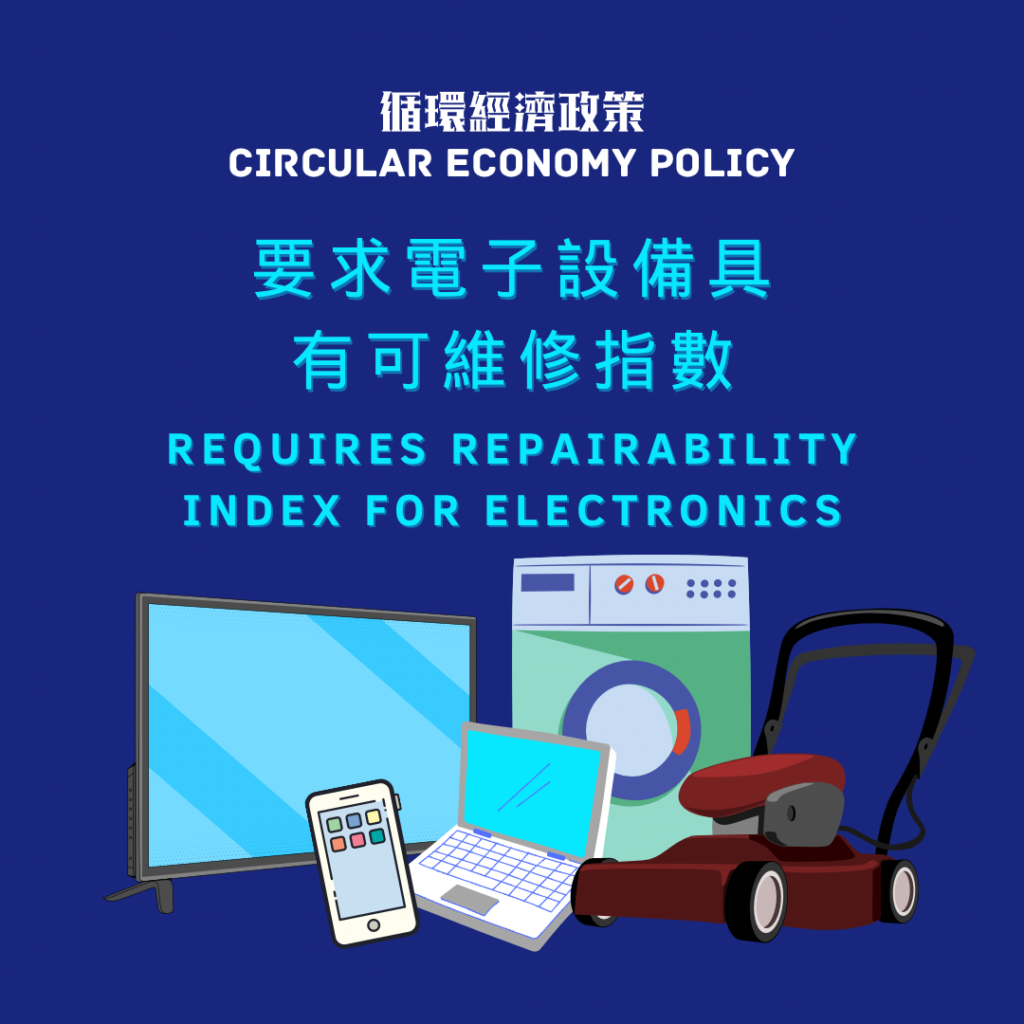
在2021年1月1日,法國開始實施一項新法規,要求智能手機,手提電腦,電視,洗衣機和割草機的製造商在其產品上顯示可維修指數,以表明其可維修度。 分數越高,用戶就越容易維修產品。
這個全球首個國家政策透過要求生產者將循環經濟納入決策,從而抵制計劃性報廢。 法國政府希望將該計劃擴展到其他消費品,並將這個指數在2024年前轉變為「耐用性指數」,進一步披露產品的耐用性。
隨著電子產品的消費每年增加250萬噸,全球電子廢物數量亦繼續上升。在2019年錄得的全球電子廢物為5,360萬噸,在短短五年內增長了21%,而其中只有不到18%被回收。 以這種速度,全球電子廢物將在2030年前達到7,400萬噸。
[Sustainable Development News] France Reinforces Circular Economy Through Policy
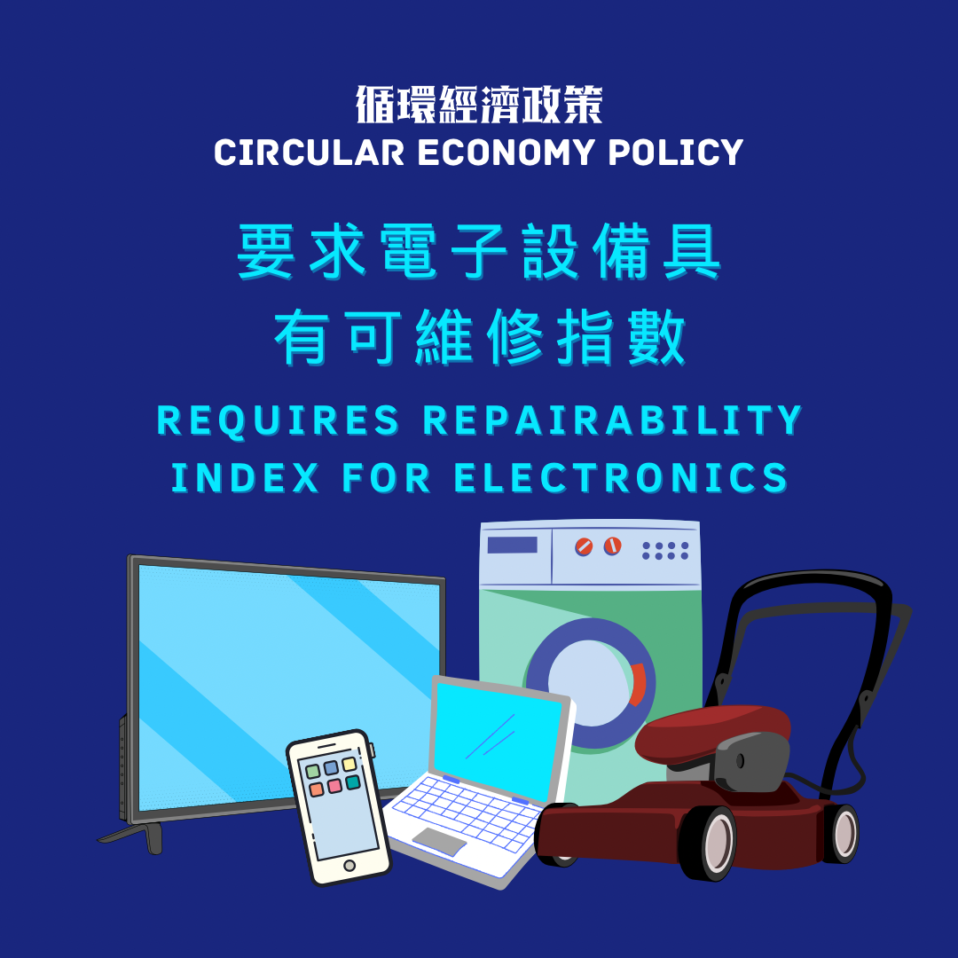
On January 1, 2021, a new legislation went into effect in France requiring manufacturers of smartphones, laptops , TVs, washing machines and lawnmowers to display a repairability index on their products that discloses how repairable they are. The higher the score the easier it is for users to repair the product.
The first of its kind national legislation is a big step forward to repel planned obsolescence requiring producers to integrate circular economy into decision-making . The French government hopes to expand the scheme to other consumer goods eventually, and transition the index to a “durability index” that also discloses the product’s robustness by 2040.
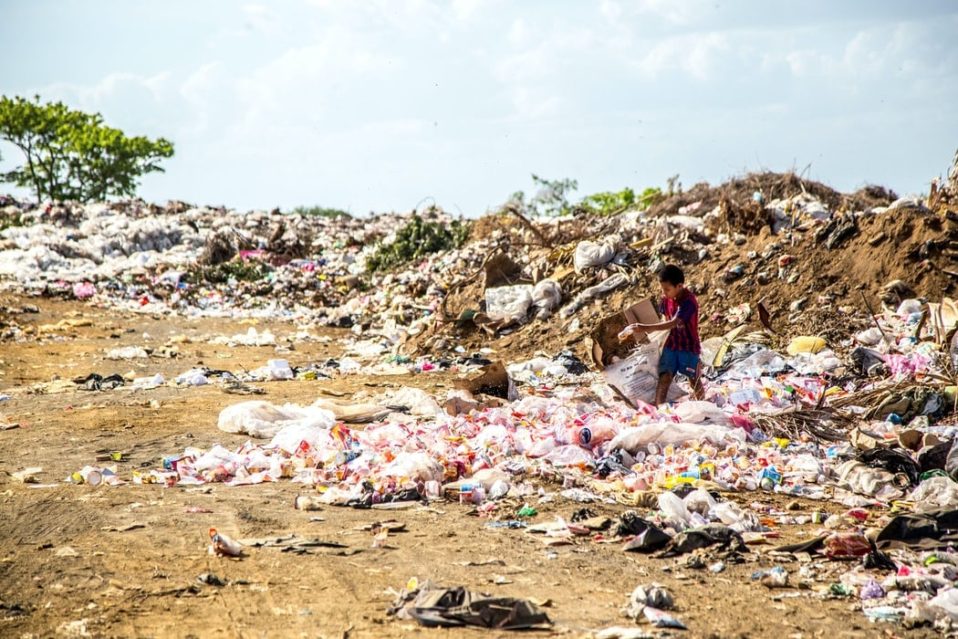
Global e-waste continues to grow as consumption of electronic products grows by 2.5 million tons each year . In 2019, 53.6 million tons of e-waste was recorded worldwide, a 21% growth in just five years. And less than 18% of those were recycled. At this rate, global e-waste will reach 74 million tons by 2030.
. In 2019, 53.6 million tons of e-waste was recorded worldwide, a 21% growth in just five years. And less than 18% of those were recycled. At this rate, global e-waste will reach 74 million tons by 2030.