線上雙語知識平台

【可持續發展新聞】法國通過政策加強循環經濟

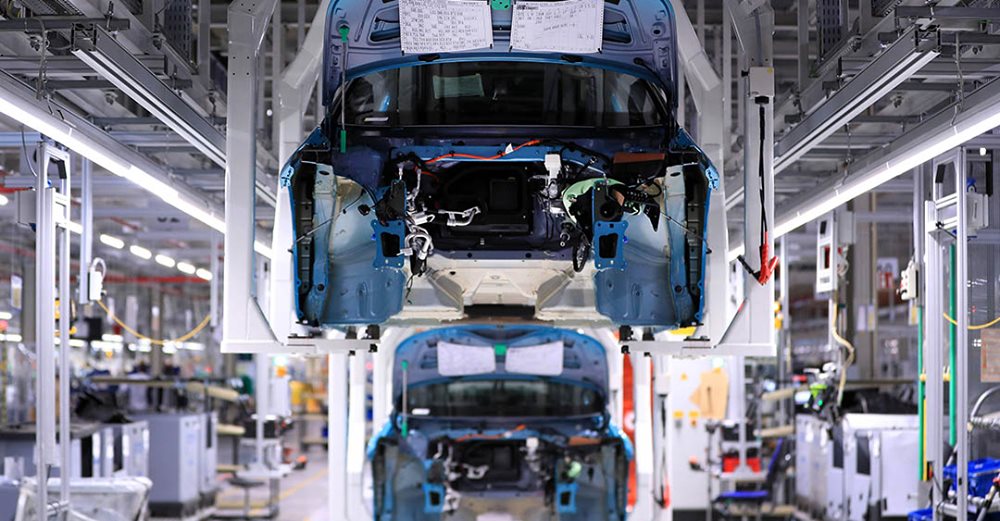
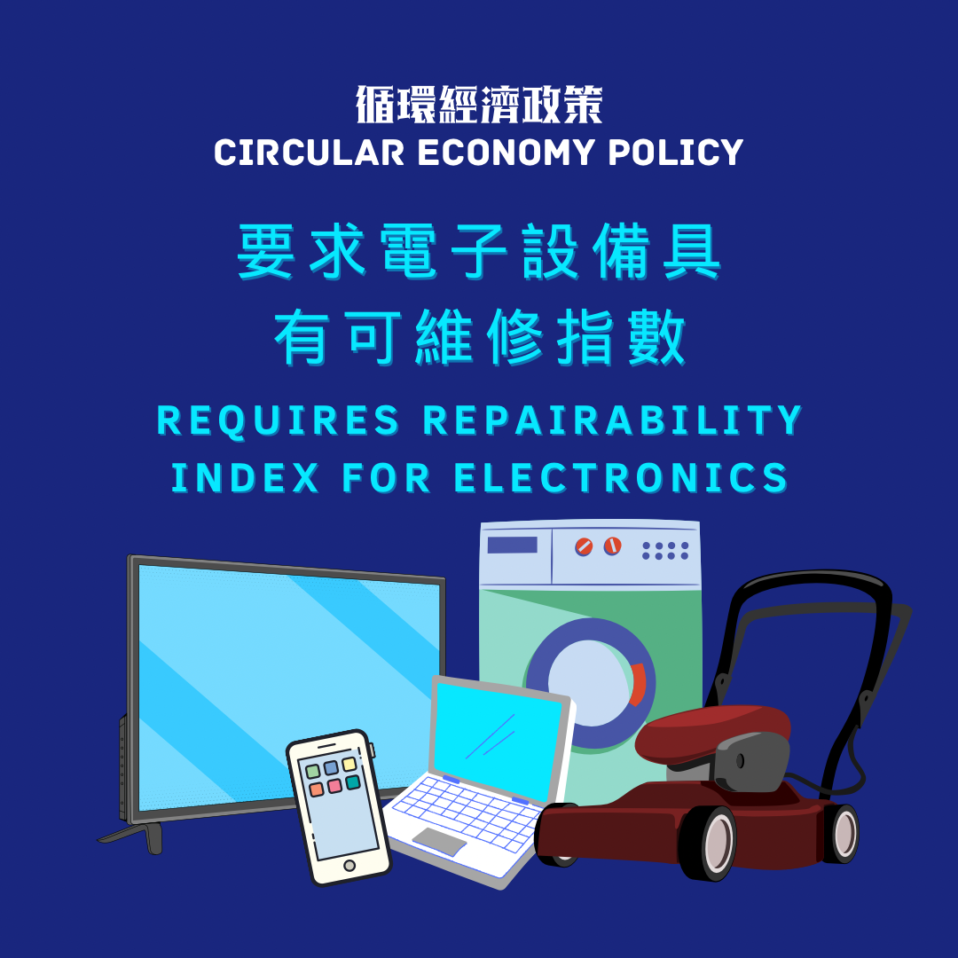
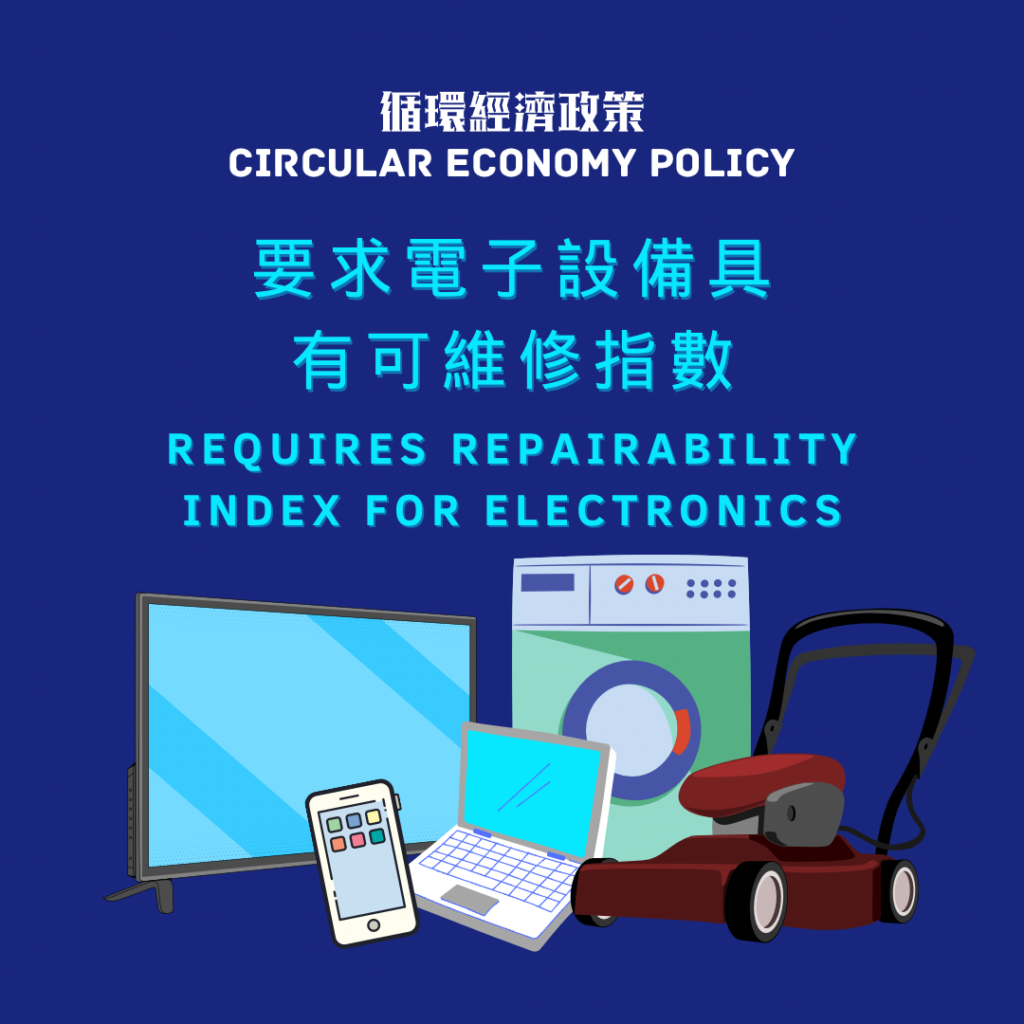
在2021年1月1日,法國開始實施一項新法規,要求智能手機,手提電腦,電視,洗衣機和割草機的製造商在其產品上顯示可維修指數,以表明其可維修度。 分數越高,用戶就越容易維修產品。
這個全球首個國家政策透過要求生產者將循環經濟納入決策,從而抵制計劃性報廢。 法國政府希望將該計劃擴展到其他消費品,並將這個指數在2024年前轉變為「耐用性指數」,進一步披露產品的耐用性。
隨著電子產品的消費每年增加250萬噸,全球電子廢物數量亦繼續上升。在2019年錄得的全球電子廢物為5,360萬噸,在短短五年內增長了21%,而其中只有不到18%被回收。 以這種速度,全球電子廢物將在2030年前達到7,400萬噸。


[Sustainable Development News] France Reinforces Circular Economy Through Policy


On January 1, 2021, a new legislation went into effect in France requiring manufacturers of smartphones, laptops , TVs, washing machines and lawnmowers to display a repairability index on their products that discloses how repairable they are. The higher the score  the easier it is for users to repair the product.
The first of its kind national legislation is a big step forward  to repel planned obsolescence  requiring producers to integrate circular economy into decision-making . The French government hopes to expand the scheme to other consumer goods eventually, and transition the index to a “durability index” that also discloses the product’s robustness by 2040.
Global e-waste continues to grow as consumption of electronic products grows by 2.5 million tons each year📈. In 2019, 53.6 million tons of e-waste was recorded worldwide, a 21% growth in just five years. And less than 18% of those were recycled. At this rate, global e-waste will reach 74 million tons by 2030.
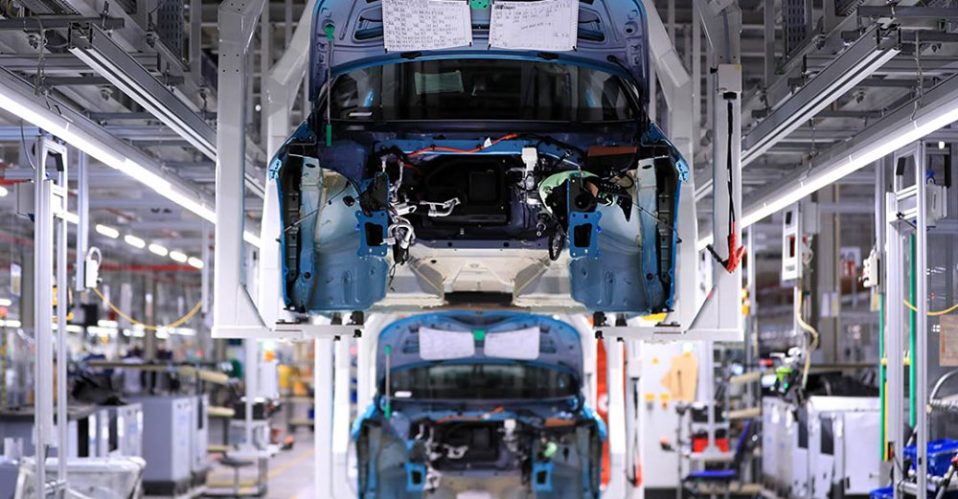


France Circular Economy Policy 法國循環經濟政策
Read more

【可持續發展目標7: 經濟適用的清潔能源】電池市場將會成為世界的新動向

「經過十年來成本的快速下降,電池已經到了一個臨界點」。隨著電池需求增長以及其成本逐漸下降,大部分汽車製造商預計目前比汽油車更貴的電動汽車,在未來五年內生產成本將齊平。
可充電鋰電池將會為汽車及能源行業帶來以下的顛覆性影響:
  • 增大了的電池需求會減少對原油和汽油等副產品及天然氣發電的需求,而電池將會相對降低整體溫室氣體排放。
  • 不論電池是否略有退化,價格低的電池 可以用於儲存電力並獲取可再生能源電力。例如,阿姆斯特丹的Johan Cruijff體育場有一個由許多回收電池組組成的超級電池來儲存屋頂太陽能板產生的電力,以提供體育場能源使用。

目前,全球近65%的鋰離子電池來自中國,而其他國家亦決定跟上這個電池熱潮,加強國內電池產業的發展。例如,歐盟正在利用產業政策促進區域性電池產業的發展。美國加州和紐約州已頒布命令要求公用事業公司必須安裝更多電池,以提高電網可靠性和控制價格波動,以及引入更多的可再生能源。

[Sustainable Development Goal 7: Renewable Energy] The Battery Market Will Be The World’s Future Trend

“After a decade of rapid cost reduction, batteries have reached a tipping point.” With the increasing demand for batteries and the gradual decline in their costs, most automobile manufacturers expect that the production costs of electric vehicles, which are currently more expensive than gasoline fueled vehicles, will reach parity in the next five years.
Rechargeable lithium batteries will bring the following disruptive effects to the automotive and energy industries:
  • The increased demand for batteries will reduce the demand for by-products, such as crude oil and gasoline, as well as natural gas for power generation. The use of batteries will correspondingly reduce overall greenhouse gas emissions.
  • Regardless of whether the battery is slightly degraded, low-cost batteries can be used to store electricity and obtain power from renewable energy. For example, the Johan Cruijff Stadium in Amsterdam has a super battery composed of many recycled battery packs to store electricity generated by rooftop solar panels, so as to provide energy use for the stadium.
Currently, nearly 65% of the world’s lithium-ion batteries come from China , and other countries have also decided to hop on the battery frenzy and strengthen the development of domestic battery industry. For example,  the European Union is employing industrial policies to promote the development of the regional battery industry. Similarly, the states of  California and New York in the United States have issued orders requiring utility companies to install more batteries to improve grid reliability and control price fluctuations, as well as introduce more renewable energy.


The Battery Market Will Be The World’s Future Trend 電池市場將會成為世界的新動向
Read more

【好書推薦:如何避免氣候災難】

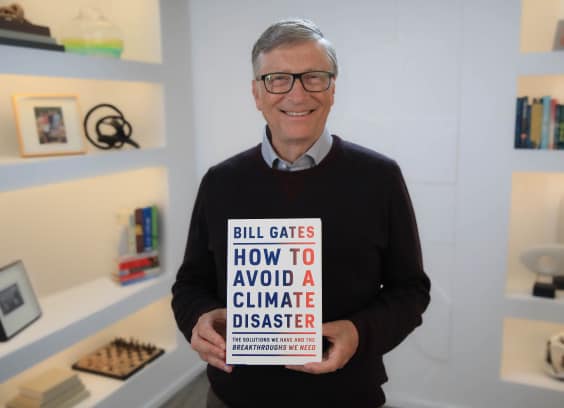
比爾·蓋茨的一本關於氣候變化的新書「如何避免氣候災難」將於今天在網上和書店發售。
比爾·蓋茲一直關注氣候議題。在他研究能源和氣候變化的15年間,他看到了令人振奮的進展。來自太陽和風能的可再生能源的成本已經大幅下降,公眾比以往任何時候都更支持採取重大措施來避免氣候災難,世界各地的政府和公司都在制定長遠的減排目標。
他認為我們正處於一個關鍵時刻。我們現在需要的是一個計劃,將所有這些動力轉化為實現我們大目標的實際步驟。而這正正是這本書的目的,詳細說明實現這一極為重要的目標所需要做的事情。
在本書中,比爾·蓋茲會解釋為何這議題對我們至為重要,分析為何我們需要全力以零碳排為目標,並提出切實可行的計劃方案,社會動員擔起共同責任。
氣候行動,匹夫有責。解決方案,需要政府、企業,和你我的參與!


比爾·蓋茨在YouTube上的介紹短片:


📚[Book Recommendation: How to Avoid A Climate Disaster]
A new book on climate change by Bill Gates, “How to Avoid A Climate Disaster”, will be available today online and in bookstores.
Bill Gates has been concerned about climate issues. He has seen exciting progress in the more than 15 years that he has been learning about energy and climate change. The cost of renewable energy from the sun and wind has dropped dramatically. There’s more public support for taking big steps to avoid a climate disaster than ever before. And governments and companies around the world are setting ambitious goals for reducing emissions.
He believes we’re at a crucial moment. What we need now is a plan that turns all this momentum into practical steps to achieve our big goals; and that is exactly the purpose of this book, to explain in detail what needs to be done to achieve this very important goal.
In this book, Bill Gates explains why the climate issue is so important to us, analyses why we need to aim for zero carbon emissions with all our effort and proposes practical plans and solutions, which requires community mobilisation to take joint responsibility.
Climate action is the responsibility of every human being. The solution requires the participation of governments, businesses, me and you!


Introductory video by Bill Gates on YouTube:


(Photo: ©GatesNote. No copyright infringement is intended.)
How to Avoid A Climate Disaster 如何避免氣候災難
Read more

【可持續發展目標9:產業、創新和基礎設施】

一個鼓舞人心的項目-
通信鴻溝是在獲取、使用或影響信息和通信技術方面的不平等現象。 非洲不少國家的人們,尤其是農村地區的家庭,沒有辦法獲取到數字技術。
《聯合國2030年可持續發展議程》的主要目標之一是“到2020年顯著增加對信息和通信技術的獲取,並努力在最不發達國家提供普遍和負擔得起的互聯網”。
一家北京公司”四達時代”,近幾年努力地”把世界送到非洲家庭的眼前”。
“萬村通”項目是2015年中非合作論壇約翰內斯堡峰會提出的中非人文領域合作舉措之一,旨在為非洲國家的1萬個村落接入衛星數字電視信號。
截至2020年7月底,“萬村通”項目已覆蓋非洲大陸8162個村落,非洲19個國家已完成項目驗收。 面對新冠肺炎疫情,四達時代從去年3月19日起在項目中推出防疫特別報導,內容包括國際和非洲疫情動態、防疫知識、人物專訪等,用中、英、法、葡、斯瓦希裡、豪薩語等6種語言播出。 此外,去年三、四月間,四達時代與合作夥伴共同推出非洲版“新冠肺炎自測評估系統”,還為肯尼亞、南非、加納、烏干達、剛果(金)等國的中小學生上線本國的教材課程,通過教育類視頻節目做到“停課不停學”。


[Sustainable Development Goal 9: Industry, Innovation and Infrastructure]
Digital Divide is an inequality with regard to access to, use of, or impact of information and communication technologies (ICT). African countries are suffering from the Digital Divide and many Africans, especially families in rural areas, are blocked from accessing information and digital technology.
One of the main goals of the United Nations 2030 Agenda for Sustainable Development is to “significantly increase access to information and communications technology and strive to provide universal and affordable access to the Internet in least developed countries by 2020”.
A Beijing company “StarTimes” has worked hard in recent years to “bring the world to the eyes of African families .”
Access to Satellite TV for 10,000 African Villages is a China-Africa Cooperation project which aims to reduce the digital divide in African rural areas by giving villages access to digital television. It was proposed at the Johannesburg Summit of the Forum on China-Africa Cooperation in 2015.
As of the end of July 2020, the project has covered 8162 villages on the African continent, and 19 countries in Africa have completed the project. During the pandemic, StarTimes has integrated a special report on covid-19 prevention into the project from March 19 last year. The content includes international and African pandemic trends, virus prevention knowledge, interviews with people, etc., using Chinese, English, French, Portuguese, Swahili and Hausa. In addition, in March and April of last year, StarTimes and its partners jointly launched the African version of the “Covid-19 Self-Test and Evaluation System”, and also launched online educational videos and textbooks for primary and secondary school students in Kenya, South Africa, Ghana, Uganda and Congo.


Read more

【可持續發展的故事】可持續發展的創業精神

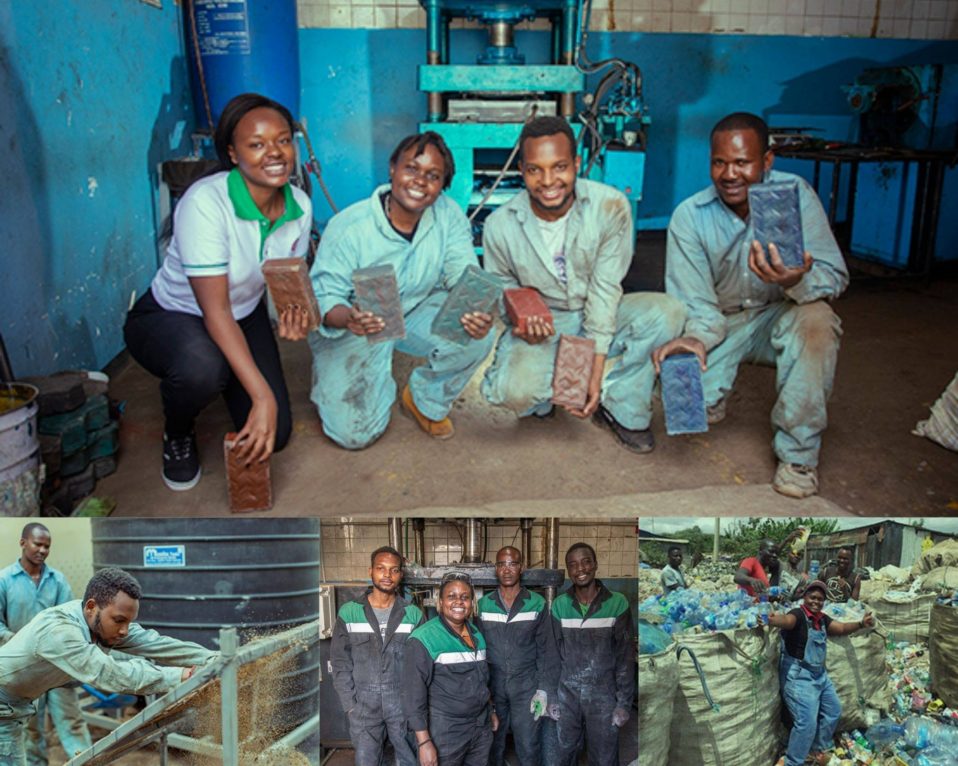
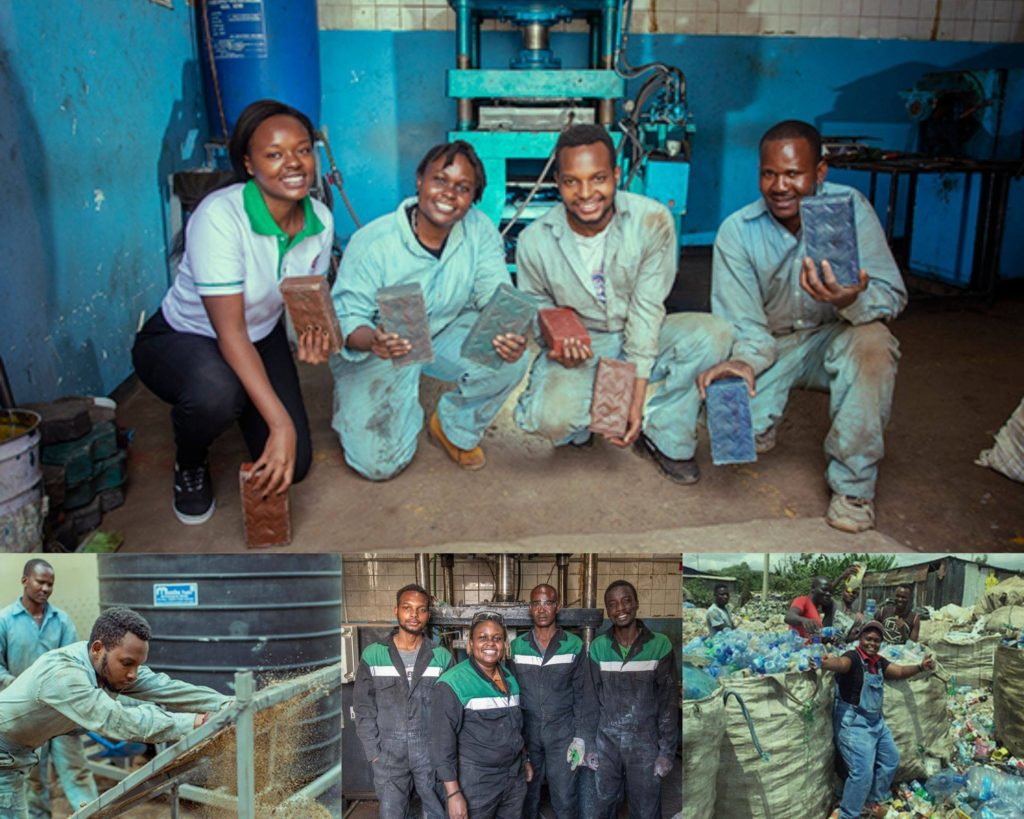
當Nzambi Matee在肯亞的首都奈羅比街頭上看到滿滿的塑膠袋,她心裡就萌生了為塑膠廢料創造新生命的念頭。 因此,她辭去工作,開始嘗試製造一種結合廢塑膠和沙的新式磚塊。

迄今為止,她的公司Gjenge Makers Ltd已挽救了20噸以上的塑膠廢料,並將它們轉變成經濟耐用的磚塊。 同時亦為當地的垃圾收集者,婦女和年輕人創造了100多個工作機會。

在2020年被聯合國環境規劃署(UNEP)命名為「地球衛士青年」的Nzambi希望鼓勵年輕人從地方的層面解決環境挑戰🛠:「我們有責任使現正變得更好。從您可以在當地執行的解決方案開始,一直堅持下去,就會看到意想不到的結果。」

影片鏈結🔗 https://youtu.be/QbZKP4UAtL8

資料來源:https://www.unenvironment.org/…/2020/africa/nzambi-matee


[Sustainable Development Story] Entrepreneurship for Sustainable Development 

When Nzambi Matee saw the plastic bags filling the streets of Nairobi, she visualized a new life for the plastic waste to become a solution. So she quitted her job and began experimenting with the creation of a new kind of brick , one that combines plastic waste and sands.

To date, her business, Gjenge Makers Ltd, has salvaged more than 20 tons of plastic waste  and turned them into affordable and durable pavers , at the same time generated more than 100 job opportunities for local garbage collectors, women and young people.

Nzambi, named the Young Champion of the Earth by UNEP in 2020, wants to encourage young people to solve the environmental challenge at a local level🛠: “It’s up to us to make this reality better. Start with whatever local solution you can find and be consistent with it. The results will be amazing.”

Video link🔗 https://youtu.be/QbZKP4UAtL8

Source: https://www.unenvironment.org/…/2020/africa/nzambi-matee

可持續發展的創業精神

Read more

【知識小錦囊】森林土地損失趨勢

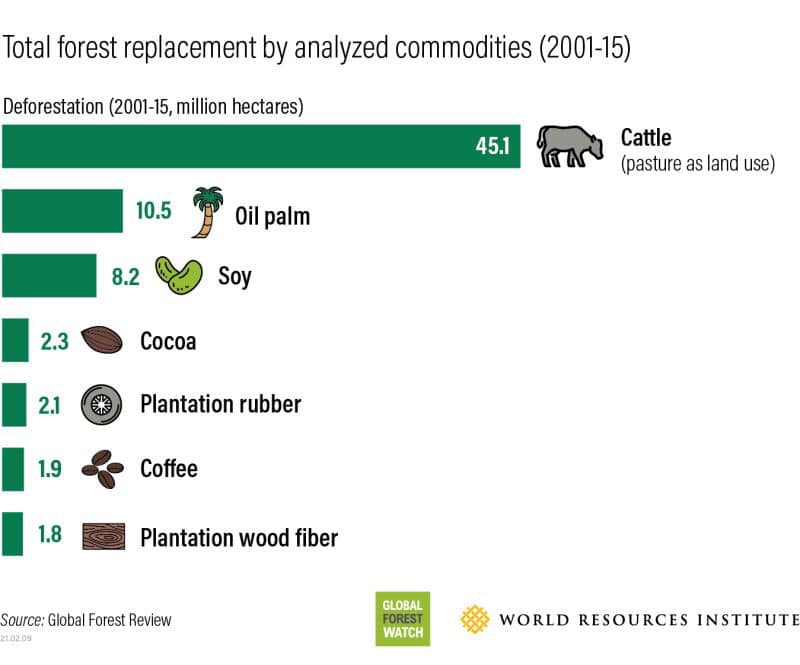
根據世界資源研究所的資料,在這張圖片中,你可以看見這7種農產品佔由2001年至2015年全球26%因森林開伐的樹木損失 — 這相當於超過德國兩倍的土地面積。
這7種農產品就是牛、棕櫚油、大豆、可可、種植園橡膠、咖啡及種植園木纖維。

這大部分的樹木損失都發生在熱帶地區,而這是一個值得我們關注的環境問題,因為熱帶地區的樹木儲存了世界50%的碳。

想了解更多有關森林土地損失趨勢的更多資訊,請查看以下鏈接:
https://www.wri.org/insights/just-7-commodities-replaced-area-forest-twice-size-germany-between-2001-and-2015?fbclid=IwAR00-qArtSMNliNpZRmnoducWXdZ0s3x-uDkeMO7EkVbvsnt0tGeNf95t0w&utm_medium=worldresources&utm_source=linkedin&utm_campaign=globalforestreview

[Knowledge Hub] Trends in Deforestation

According to World Resources Institute, in this picture, you can find these 7 agricultural commodities accounted for 26% of global tree cover loss from deforestation from 2001 to 2015 – which was equivalent to an area of land more than twice the size of Germany.
These 7 agricultural commodities are cattle, oil palm, soy, cocoa, plantation rubber, coffee and plantation wood fiber.

A majority of such tree cover loss takes place in the tropics, which is a concerning issue for the environment as the trees in the tropics store 50% of the world’s carbon.

To learn more about the trends of forest area loss, feel free to check out the following link:
https://www.wri.org/insights/just-7-commodities-replaced-area-forest-twice-size-germany-between-2001-and-2015?fbclid=IwAR00-qArtSMNliNpZRmnoducWXdZ0s3x-uDkeMO7EkVbvsnt0tGeNf95t0w&utm_medium=worldresources&utm_source=linkedin&utm_campaign=globalforestreview

deforestation trends 森林土地損失趨勢

Read more

【世界豆類日】多吃豆類食物,實現世界糧食安全及安全氣候

【世界豆類日】多吃豆類食物,實現世界糧食安全及安全氣候
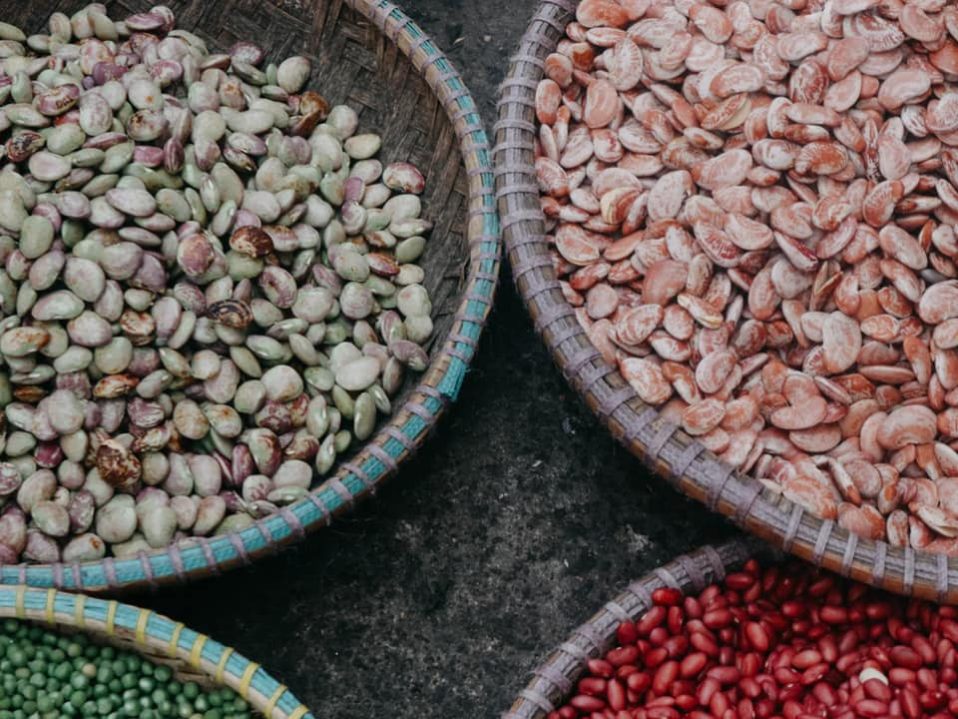
你知道吃更多的豆類食物不僅會帶來更健康的飲食和環境,還會增強農民的經濟能力嗎?
聯合國大會指定2月10日為「世界豆類日」。多吃豆類食物如何幫助世界實現以下可持續發展目標:
  • 可持續發展目標2(零飢餓): 豆類食物價格便宜,蛋白質含量高。它們的脂肪含量低,並且富含可溶性纖維,可以降低膽固醇並幫助控制血糖。如果我們食用更多的豆類食物,世界上將出現更少的營養不良,肥胖和冠狀動脈癌病例。
  • 可持續發展目標5(性別平等)和可持續發展目標8(體面勞動與經濟增長):農民可以將豆類作為重要食用和出售作物,從而有助於維持家庭糧食安全並帶來經濟穩定。有趣的例子:低收入農民,特別是在非工業化國家中生產60-80%的糧食的婦女,將受益於種植和銷售豆類等具有氣候適應力的農作物。在印度,一個名為Swayam Shikshan Prayog(SSP)的非政府組織通過向他們傳授氣候適應性農業的技巧,成功地增強了超過二十萬印度農民的經濟能力。
  • 可持續發展目標13(氣候行動): 豆類食物具有固氮作用,可提高土壤肥力,從而減少了含氮合成肥料的使用,亦相對減少了釋放到環境中的溫室氣體的量。
[World Pulses Day] Consume More Pulses for a World with Food and Climate Security
Do you know that eating more pulses will not only lead to healthier diets and environment, but also empower rural farmers economically?
The 10th of February is designated by the United Nations General Assembly as the World Pulses Day.
How eating more pulses help the world to achieve the following Sustainable Development Goals:
  • SDG 2 (Zero Hunger): Pulses are inexpensive and have a high protein content. They are also low in fat and rich in soluble fiber, which can lower cholesterol and help in the control of blood sugar. The world will witness less cases of malnutrition, obesity and coronary cancer, if more pulses are consumed.
  • SDG 5 (Gender Equality) & SDG 8 (Decent Work and Economic Growth): Farmers could both consume and sell pulses as an important crop, which in turn helps maintain their household food security and creates economic stability. An interesting example: Low income farmers, especially women who produce 60-80% of food in non-industrialised countries, will benefit from growing and selling climate-resilient crops like pulses. In India, a Non-Governmental Organization called Swayam Shikshan Prayog (SSP) has successfully empowered over 200,000 farmers all over India by teaching them climate-resilient agricultural practices.
  • SDG 13 (Climate Action): Pulses improve soil fertility with their nitrogen-fixing properties, and this reduces the usage of synthetic fertilisers that contain nitrogen, which in turn reduces the amount of greenhouse gases released to the environment.
To learn more about the benefits of pulses, feel free to check out the following links:
Read more

【環保紀錄片】塑料王國

【環保紀錄片】塑料王國
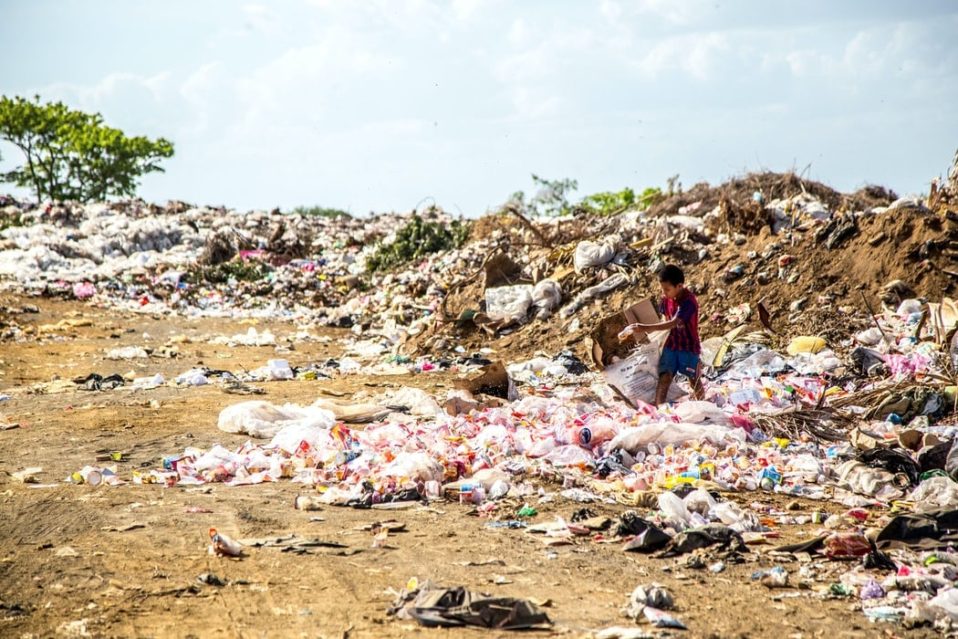
我們扔的垃圾去了哪裡呢?
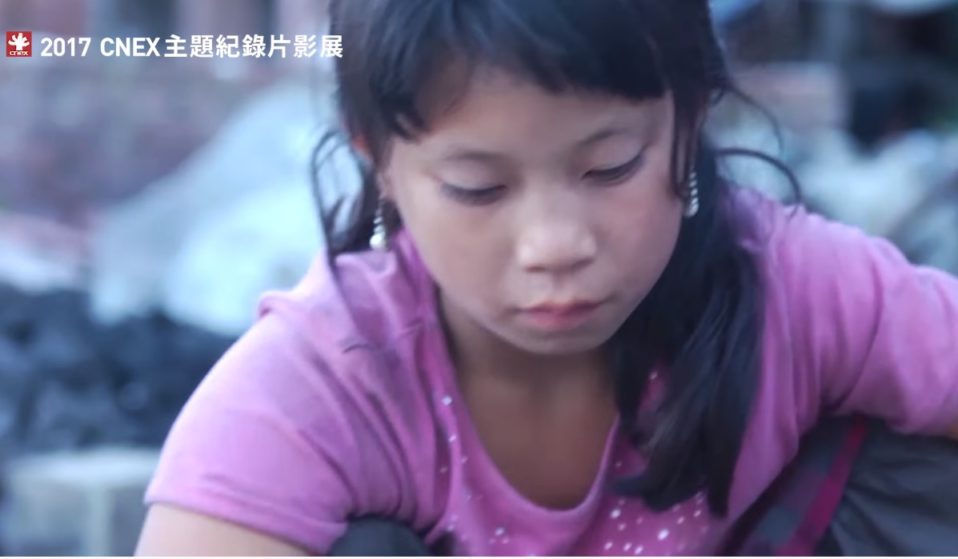
今天小編想推薦一部優秀的國產紀錄片。人們與進口垃圾共同生活的場景觸目驚心,但在這種環境中也仍蘊藏著略帶苦澀的溫情和對生活的希望。
「中國買家往往出高價買走其他國家的垃圾,因為塑料加工在中國有著難以想像的龐大市場。這些看似無用的垃圾被很多人當成寶,能再利用,也能讓很多農民創造財富……儘管因為髒亂差等污染因素,很多類似文安縣這種廢塑料回收作坊被當地政府反復取締,但因為這個產業有利可圖、成本低下,所以在華南、華北、東南沿海等很多地方迅速擴散,這並不是一個地方的現象。然而,關閉廢塑料作坊、停止使用塑料製品的呼聲顯然不切實際,因為這意味著我們身邊幾乎所有的日用品都無法使用;同時,如果廢塑料得不到有效回收處理,它們中大部分不是被填埋,就是最終被傾倒進了海洋。」
全球貿易,環境污染,垃圾回收,貧窮,教育……這部片子有太多值得深思。願更多人都能關注到塑料背後的隱密世界。
[Environmental Documentary] Plastic China
Do you know where the trash we throw away goes?
Today the editor would like to recommend an excellent domestically produced documentary. While the scene of people living with imported garbage is shocking, hope for life and true care between people still can be seen in such environment.
“Chinese buyers often pay high prices to buy waste from other countries, because plastic processing has an unimaginable huge market in China. This seemingly useless waste is regarded as treasure by many people. It can be reused and can also bring many farmers wealth…… Although many plastic waste recycling workshops like in Wen’an County have been repeatedly banned by the local government due to factors such as pollution and extremely poor conditions, this industry was still expanded quickly to the southern, northern, and southeast coastal areas of China due to its profitability and low-cost. Its rapid spread in many places is not a local phenomenon. However, the call to close plastic waste recycling workshops and stop using plastic products is obviously unrealistic, because it means that almost all daily necessities around us cannot be used; at the same time, without effective recycling, most of plastic wastes are either landfilled or eventually dumped into the ocean.”
Global trade, plastic, pollution, garbage recycling, poverty, education… There is so much to think about in this documentary. Hopefully more people will pay attention to the secret world behind plastic.
Read more

【可持續發展目標13: 氣候行動】更有效的廢物管理對於實現循環經濟至關重要

【可持續發展目標13: 氣候行動】更有效的廢物管理對於實現循環經濟至關重要
根據聯合國貿易和發展會議(UNCTAD)的數據,截至2019年,全球有 5.5億噸廢舊材料交易。如果回收系統管理不善,廢塑料中的有害化學物質將對環境構成威脅。通過污染食品供應鏈,這些有害物質亦會危及人類的健康。不幸的是,這個正正是國家們面對的情況,而且這個現象已經惡化,尤其是自從中國在2018年禁止進口大多數塑料廢料和其他廢料— 這一決定將大量的塑料廢料轉移到了廢料管理法規較弱的貧窮國家。
在中國實施禁令之前,中國進口了約45%的全球塑料廢料,而中國的回收公司則負責回收大量此類廢料。例如,中國回收公司分別處理了95%來自歐盟用於回收的塑料和70%來自美國的塑料。但是,自從禁令實施後,回收成本上升,受影響的國家無法將經包裝的廢舊塑料產品出售給中國而收入下降,迫使如美國的金斯波特鎮(Kingsport) 和田納西州 (Tennessee)等地區關閉了其回收業務。
循環經濟取決於將廢物轉化為資源,而為了達至成功的循環經濟,我們應考慮到國際貿易流的性質,應以更高的關稅監管混合塑料貿易,還有需要不同國際集團之間進行更有效的合作來監管二次材料。
為什麼循環經濟十分重要?根據International Resource Panel 的數據模型,在實施有效的可持續政策的情況下,全球資源使用量的增長速度可能會放緩25%,而全球國內生產總值(GDP)則可能增長8%。
若想了解更多有關循環經濟和全球廢舊塑料貿易的資訊,請查看以下鏈接:
[Sustainable Development Goal 13: Climate Action] Better Waste Governance Is Essential To Achieve Circular Economy
According to United Nations Conference on Trade and Development (UNCTAD), 550 million tons of used materials are traded globally as of 2019. If the recycling system is managed poorly, hazardous chemicals from scrap plastic would pose risks to the environment as well as human health by contaminating the food supply chain. Unfortunately, this has been the phenomenon and the situation has been aggravated, especially since China banned imports of most plastic waste and other waste materials in 2018 – this decision has diverted huge volume of plastic scrap to poorer countries with weaker regulations in general.
Prior to China’s ban, the country had imported about 45% of all globally traded plastic waste and Chinese processors had been in charge of recycling huge volumes of such waste. For example, Chinese processors had treated 95% of plastics collected for recycling in the European Union and 70% from the United States respectively. However, after the ban, countries exporting plastic waste have faced challenges – rising costs for recycling and falling incomes from inability to sell products repackaged from plastic waste to China have forced some, such as Kingsport and Tennessee in the United States, to shut down their recycling operations.
To achieve a success in circular economy, which hinges on turning waste into resources, the nature of global trade flows should be taken into consideration, trade in mixed plastics should be regulated with higher tariffs and more effective collaboration between different international groups is needed to regulate secondary materials.
Why is circular economy important? According to the International Resource Panel’s modelling, with effective sustainable policies in place, growth in global resource use can slow by 25% and the global Gross Domestic Product (GDP) could grow by 8%.
To learn more about circular economy and the global trade in plastic waste, feel free to check out the following links:
Read more

【可持續發展故事分享】團結、參與、信任成就可持續發展

【可持續發展故事分享】團結、參與、信任成就可持續發展
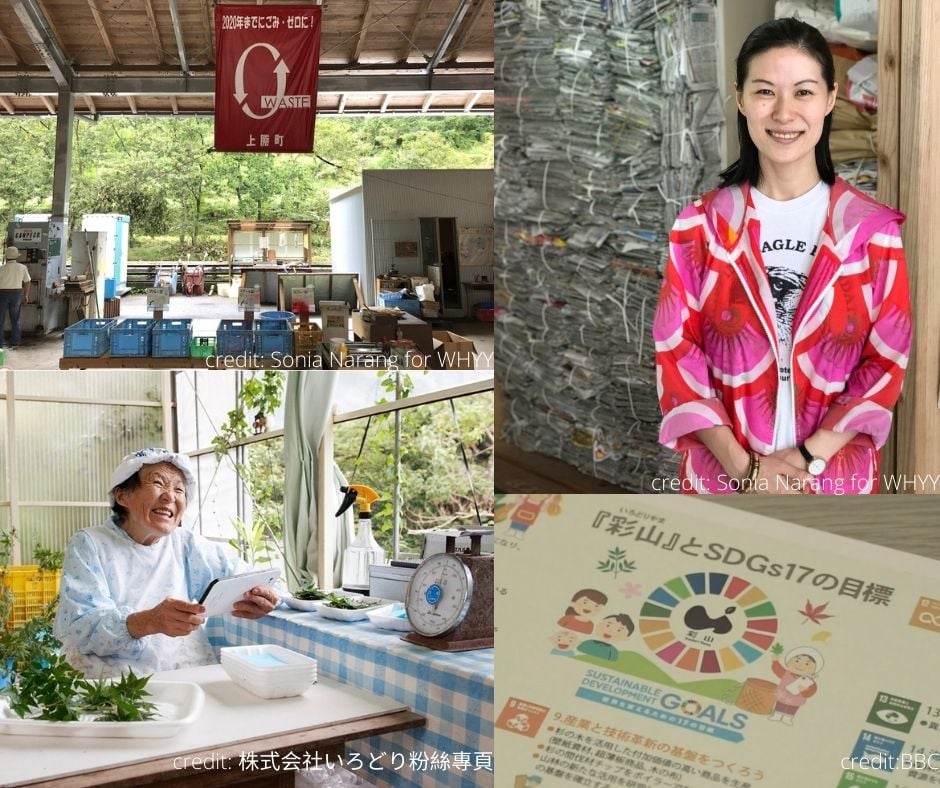
在日本有一個地方叫上勝町,是一個人口只有約1500人,而且高齡人口超過一半的小鄉鎮。在這麼一個人口稀少高齡化嚴重的地方,卻是日本第一個宣佈要在2020年達到零廢物鄉鎮,也是成功將衰落的農業轉型成為賣樹葉營業額達2億日圓的地方。
上勝町成功轉型的關鍵,可以歸納成幾點:
  • 分享和利用知識去變革和改造世界,讓所有人能享受一個更好的環境
  • 讓每個人都有參與改變的機會,對未來有共同的目標
  • 透過公開的參與過程,在社區裡建立信任關係
[Sustainable Development Story] Solidarity, Participation, and Trust are Keys to Achieve Sustainable Development
Kamikatsu is a small mountain village in Japan, it has a population of ~1500 people and almost half of them aged 65 or above . Although a small town with an aging population, Kamikatsu is the first in the entire Japan to announce the goal of reaching “Zero Waste” by 2020, while it has also turned its declining agriculture around to become a 200 million yen leaf-selling business.
The key to Kamikatsu’s successful transformation:
  • Sharing and using knowledge in a transformative way to change the world, so that everyone can benefit from a better environment
  • Inviting and involving everyone to participate in the change process, and sharing to the same goal for the future
  • Building trust in the community through a public participatory process
More videos on Kamikatsu:
Read more