【環保紀錄片】塑料王國

【環保紀錄片】塑料王國
我們扔的垃圾去了哪裡呢?
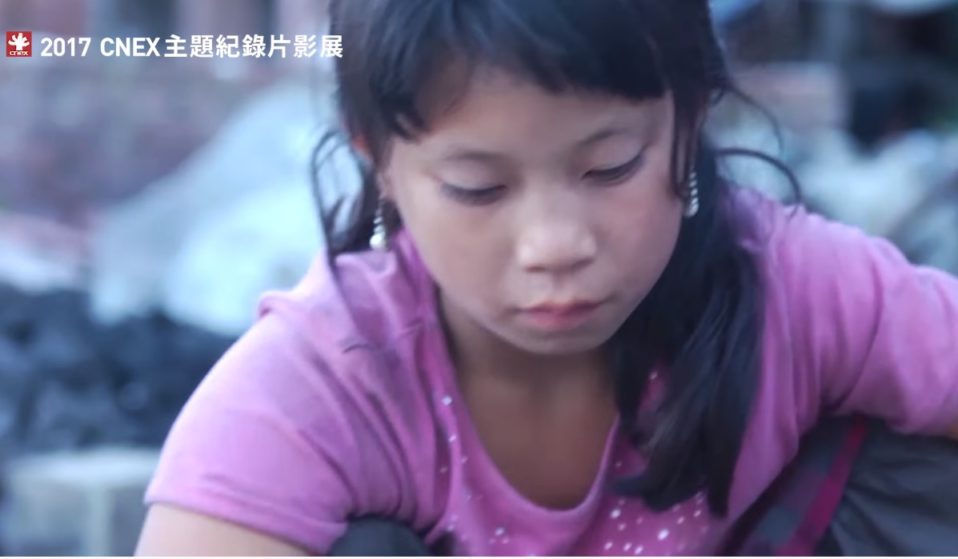
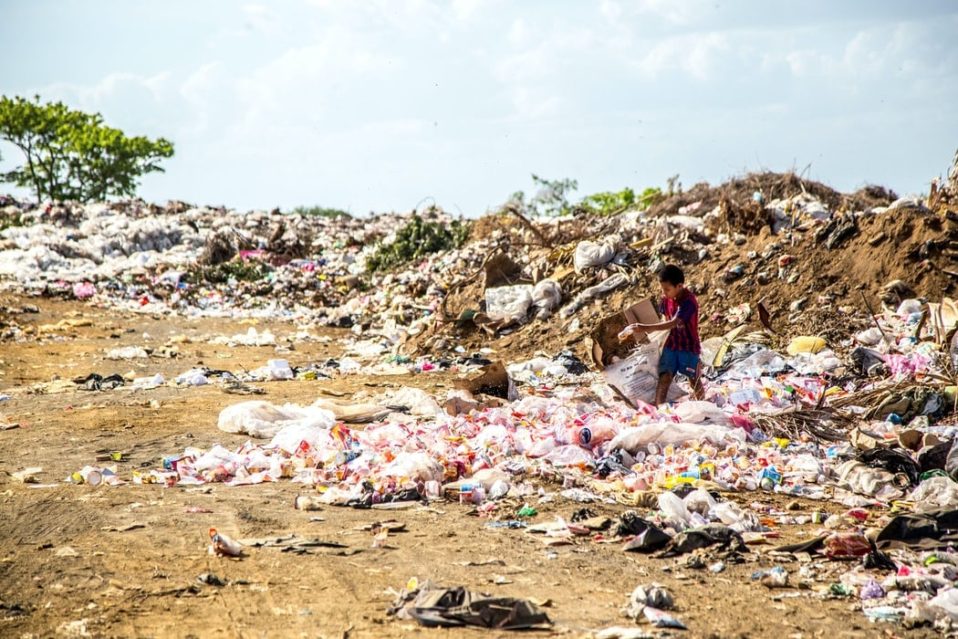
今天小編想推薦一部優秀的國產紀錄片。人們與進口垃圾共同生活的場景觸目驚心,但在這種環境中也仍蘊藏著略帶苦澀的溫情和對生活的希望。
「中國買家往往出高價買走其他國家的垃圾,因為塑料加工在中國有著難以想像的龐大市場。這些看似無用的垃圾被很多人當成寶,能再利用,也能讓很多農民創造財富……儘管因為髒亂差等污染因素,很多類似文安縣這種廢塑料回收作坊被當地政府反復取締,但因為這個產業有利可圖、成本低下,所以在華南、華北、東南沿海等很多地方迅速擴散,這並不是一個地方的現象。然而,關閉廢塑料作坊、停止使用塑料製品的呼聲顯然不切實際,因為這意味著我們身邊幾乎所有的日用品都無法使用;同時,如果廢塑料得不到有效回收處理,它們中大部分不是被填埋,就是最終被傾倒進了海洋。」
全球貿易,環境污染,垃圾回收,貧窮,教育……這部片子有太多值得深思。願更多人都能關注到塑料背後的隱密世界。
[Environmental Documentary] Plastic China
Do you know where the trash we throw away goes?
Today the editor would like to recommend an excellent domestically produced documentary. While the scene of people living with imported garbage is shocking, hope for life and true care between people still can be seen in such environment.
“Chinese buyers often pay high prices to buy waste from other countries, because plastic processing has an unimaginable huge market in China. This seemingly useless waste is regarded as treasure by many people. It can be reused and can also bring many farmers wealth…… Although many plastic waste recycling workshops like in Wen’an County have been repeatedly banned by the local government due to factors such as pollution and extremely poor conditions, this industry was still expanded quickly to the southern, northern, and southeast coastal areas of China due to its profitability and low-cost. Its rapid spread in many places is not a local phenomenon. However, the call to close plastic waste recycling workshops and stop using plastic products is obviously unrealistic, because it means that almost all daily necessities around us cannot be used; at the same time, without effective recycling, most of plastic wastes are either landfilled or eventually dumped into the ocean.”
Global trade, plastic, pollution, garbage recycling, poverty, education… There is so much to think about in this documentary. Hopefully more people will pay attention to the secret world behind plastic.
Read more

【可持續發展目標13: 氣候行動】更有效的廢物管理對於實現循環經濟至關重要

【可持續發展目標13: 氣候行動】更有效的廢物管理對於實現循環經濟至關重要
根據聯合國貿易和發展會議(UNCTAD)的數據,截至2019年,全球有 5.5億噸廢舊材料交易。如果回收系統管理不善,廢塑料中的有害化學物質將對環境構成威脅。通過污染食品供應鏈,這些有害物質亦會危及人類的健康。不幸的是,這個正正是國家們面對的情況,而且這個現象已經惡化,尤其是自從中國在2018年禁止進口大多數塑料廢料和其他廢料— 這一決定將大量的塑料廢料轉移到了廢料管理法規較弱的貧窮國家。
在中國實施禁令之前,中國進口了約45%的全球塑料廢料,而中國的回收公司則負責回收大量此類廢料。例如,中國回收公司分別處理了95%來自歐盟用於回收的塑料和70%來自美國的塑料。但是,自從禁令實施後,回收成本上升,受影響的國家無法將經包裝的廢舊塑料產品出售給中國而收入下降,迫使如美國的金斯波特鎮(Kingsport) 和田納西州 (Tennessee)等地區關閉了其回收業務。
循環經濟取決於將廢物轉化為資源,而為了達至成功的循環經濟,我們應考慮到國際貿易流的性質,應以更高的關稅監管混合塑料貿易,還有需要不同國際集團之間進行更有效的合作來監管二次材料。
為什麼循環經濟十分重要?根據International Resource Panel 的數據模型,在實施有效的可持續政策的情況下,全球資源使用量的增長速度可能會放緩25%,而全球國內生產總值(GDP)則可能增長8%。
若想了解更多有關循環經濟和全球廢舊塑料貿易的資訊,請查看以下鏈接:
[Sustainable Development Goal 13: Climate Action] Better Waste Governance Is Essential To Achieve Circular Economy
According to United Nations Conference on Trade and Development (UNCTAD), 550 million tons of used materials are traded globally as of 2019. If the recycling system is managed poorly, hazardous chemicals from scrap plastic would pose risks to the environment as well as human health by contaminating the food supply chain. Unfortunately, this has been the phenomenon and the situation has been aggravated, especially since China banned imports of most plastic waste and other waste materials in 2018 – this decision has diverted huge volume of plastic scrap to poorer countries with weaker regulations in general.
Prior to China’s ban, the country had imported about 45% of all globally traded plastic waste and Chinese processors had been in charge of recycling huge volumes of such waste. For example, Chinese processors had treated 95% of plastics collected for recycling in the European Union and 70% from the United States respectively. However, after the ban, countries exporting plastic waste have faced challenges – rising costs for recycling and falling incomes from inability to sell products repackaged from plastic waste to China have forced some, such as Kingsport and Tennessee in the United States, to shut down their recycling operations.
To achieve a success in circular economy, which hinges on turning waste into resources, the nature of global trade flows should be taken into consideration, trade in mixed plastics should be regulated with higher tariffs and more effective collaboration between different international groups is needed to regulate secondary materials.
Why is circular economy important? According to the International Resource Panel’s modelling, with effective sustainable policies in place, growth in global resource use can slow by 25% and the global Gross Domestic Product (GDP) could grow by 8%.
To learn more about circular economy and the global trade in plastic waste, feel free to check out the following links:
Read more

【可持續發展故事分享】團結、參與、信任成就可持續發展

【可持續發展故事分享】團結、參與、信任成就可持續發展
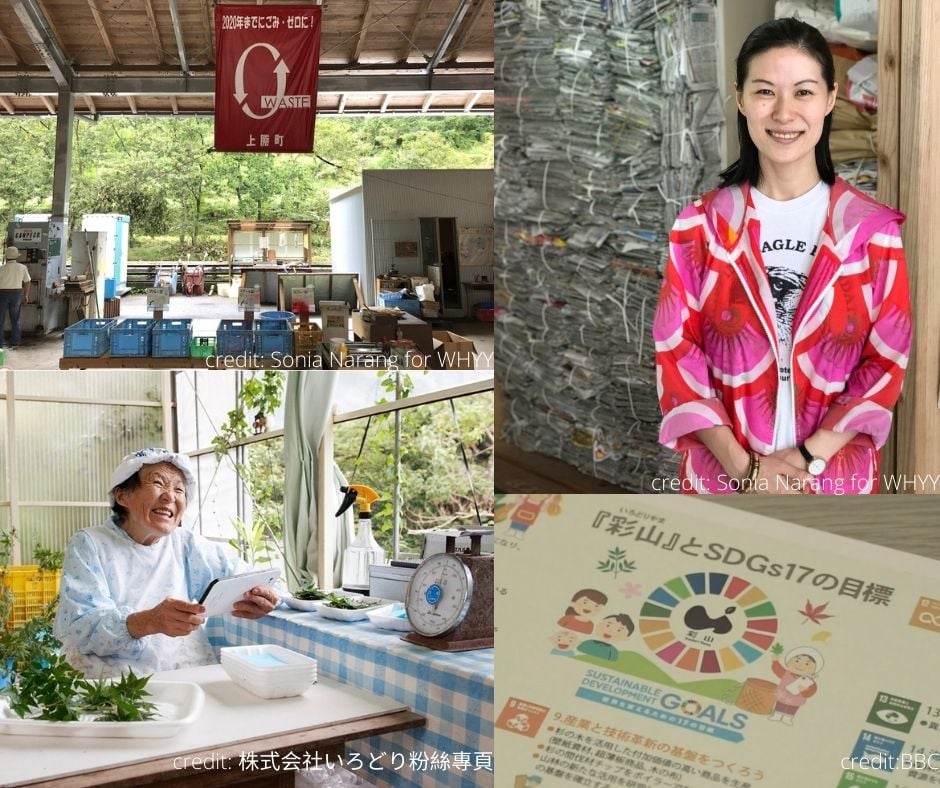
在日本有一個地方叫上勝町,是一個人口只有約1500人,而且高齡人口超過一半的小鄉鎮。在這麼一個人口稀少高齡化嚴重的地方,卻是日本第一個宣佈要在2020年達到零廢物鄉鎮,也是成功將衰落的農業轉型成為賣樹葉營業額達2億日圓的地方。
上勝町成功轉型的關鍵,可以歸納成幾點:
  • 分享和利用知識去變革和改造世界,讓所有人能享受一個更好的環境
  • 讓每個人都有參與改變的機會,對未來有共同的目標
  • 透過公開的參與過程,在社區裡建立信任關係
[Sustainable Development Story] Solidarity, Participation, and Trust are Keys to Achieve Sustainable Development
Kamikatsu is a small mountain village in Japan, it has a population of ~1500 people and almost half of them aged 65 or above . Although a small town with an aging population, Kamikatsu is the first in the entire Japan to announce the goal of reaching “Zero Waste” by 2020, while it has also turned its declining agriculture around to become a 200 million yen leaf-selling business.
The key to Kamikatsu’s successful transformation:
  • Sharing and using knowledge in a transformative way to change the world, so that everyone can benefit from a better environment
  • Inviting and involving everyone to participate in the change process, and sharing to the same goal for the future
  • Building trust in the community through a public participatory process
More videos on Kamikatsu:
Read more

【持續發展目標相關tips】

【持續發展目標相關tips】
如何係日常生活中實踐可持續發展,用行動愛惜地球?澳門本地積極環保主義者Annie Lao給出了8個有用的tips:
  1. 調整飲食:飲食前,思考該糧食的生產及運輸過程是否對環境有負面影響;從減少食肉的餐數,漸漸轉為以素食為主的飲食習慣。
  2. 只買所需品:貫徹可持續消費的意識,並積極探索資源共享/舊物循環再用的可能性。
  3. 回收垃圾,但不能僅靠回收:回收產業同樣消耗大量水和能源,從源頭上減廢才是最根本的解決辦法。
  4. 循環再用,減少垃圾:携帶可重複使用的水瓶或外賣盒;在本地零廢物專賣店購買產品;帶購物袋購物;告訴店家不須打印收據,用餐牌的照片代替紙質傳單來減少浪費等等都是有效的行動。
  5. 出門步行、踩單車或使用公共交通工具:既環保、又鍛鍊身體,仲唔需要搵車位!
  6. 探索澳門的自然奇觀:得閒欣賞下龍爪角日落,或者爬下山,親親大自然,幫內心充個電。
  7. 汲取環境保護的知識:慶幸我們生在多媒體時代,有大量與環境議題相關的優質紀錄片、書籍、播客。汲取更多知識,才能更好地呵護地球。
  8. 行動起來:本地有不少環保組織或可持續發展相關的組織,不妨從義工做起,用行動去擁抱世界。
[Tips related to sustainable development]
How to act upon sustainable development in daily life and cherish the earth better? Annie Lao, an active environmentalist in Macau, has shared 8 useful tips:
  1. Adjust your diet: Before eating, think about whether the process of food production and transportation has a negative impact on the environment. Start from reducing the meat consumption, and gradually shifting to a plant-based diet.
  2. Buy only what you need: Stay aware of sustainable consumption, and actively explore the possibility of resource sharing/recycling of used items.
  3. Recycle what you can, but don’t depend on it: the recycling industry also consumes a lot of water and energy. Therefore, reducing waste from the source is the most fundamental solution.
  4. Prevent waste with reusable items: bring reusable water bottles or takeaway boxes; buy products at local zero-waste stores; bring shopping bags for grocery shopping; tell the stores that you don’t need receipts and take photos of restaurant menus instead of taking paper menu flyers. These are all effective actions.
  5. Walk, bike or take public transportation: it is good for the environment and well-being, and you don’t need to find parking space!
  6. Explore Macao’s natural wonders: Take a leisurely time to enjoy the sunset at Long Chao Kok in Coloane, or do some hikes to get in touch with nature and recharge your energy.
  7. Educate yourself about environmental issues: We are fortunate enough to be living in the multimedia era, and there are a large number of high-quality documentaries, books, and podcasts related to environmental issues for us to enjoy. Learn more so that we can care about the earth better.
  8. Take action: There are many local environmental organizations or organizations related to sustainable development. You might start as volunteers and take actions to embrace the world.
相關連結:https://macaonews.org/life/8-ways-to-live-a-greener-lifestyle-in-macao-throughout-2021/
Read more

【人類博愛國際日】

【人類博愛國際日】
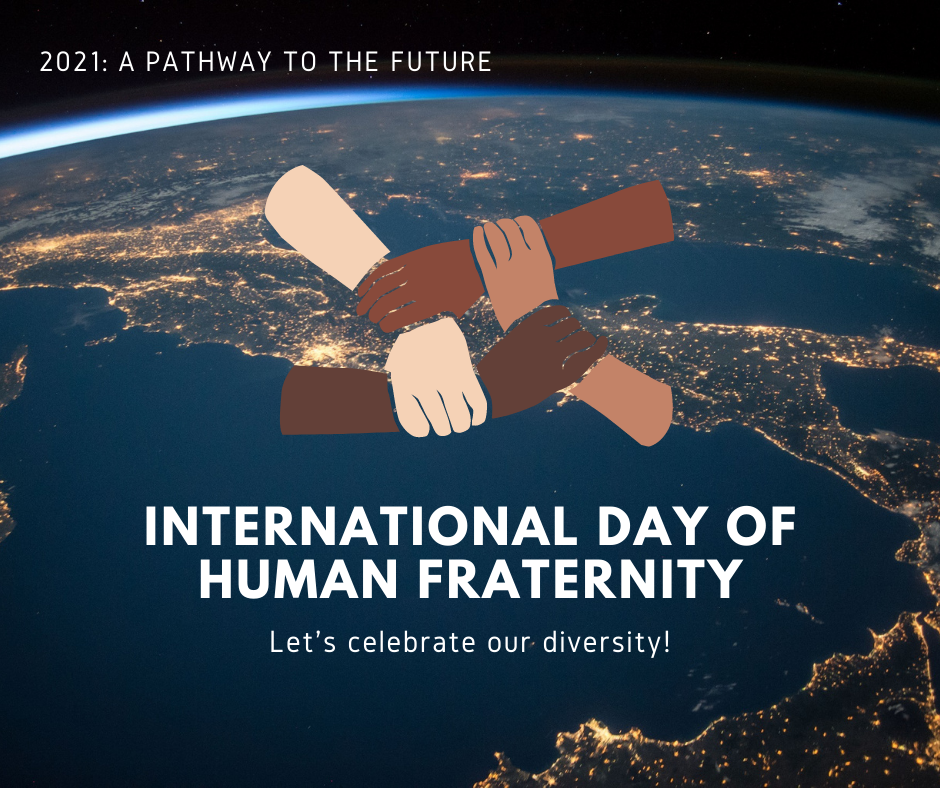
今年的2月4日是首個人類博愛國際日。包容、相互尊重以及宗教和信仰的多樣性有利於促進人類的博愛。
「人類博愛國際日」旨在促進宗教間和文化間對話,以增進和平與社會穩定、尊重多樣性和相互尊重。尤其是在新型冠狀病毒大流行造成前所未有的危機时,人類更需要團結互助地展開多邊合作。
2021年主題是「通往未來之路」,意味著在我們重建一個更美好的世界的過程中,探索如何更好地實踐設定這國際日的目的,以此作為通向未來的道路。
[International Day of Human Fraternity]
Today, 4th February 2021, is the first International Day of Human Fraternity. Tolerance, mutual respect and the diversity of religions and beliefs promote human fraternity.
“The International Day of Human Fraternity” aims to promote interreligious and intercultural dialogue in order to foster peace and social stability, respect for diversity and mutual respect. Especially at a time of unprecedented crisis caused by the COVID-19 pandemic, the world needs to work together in unity, solidarity and multilateral cooperation.
The theme of 2021 is “A Pathway to the Future”. It means to explore the best practices towards the implementation of this International Day as a pathway to the future as we rebuild a better world.
Read more

世望角02

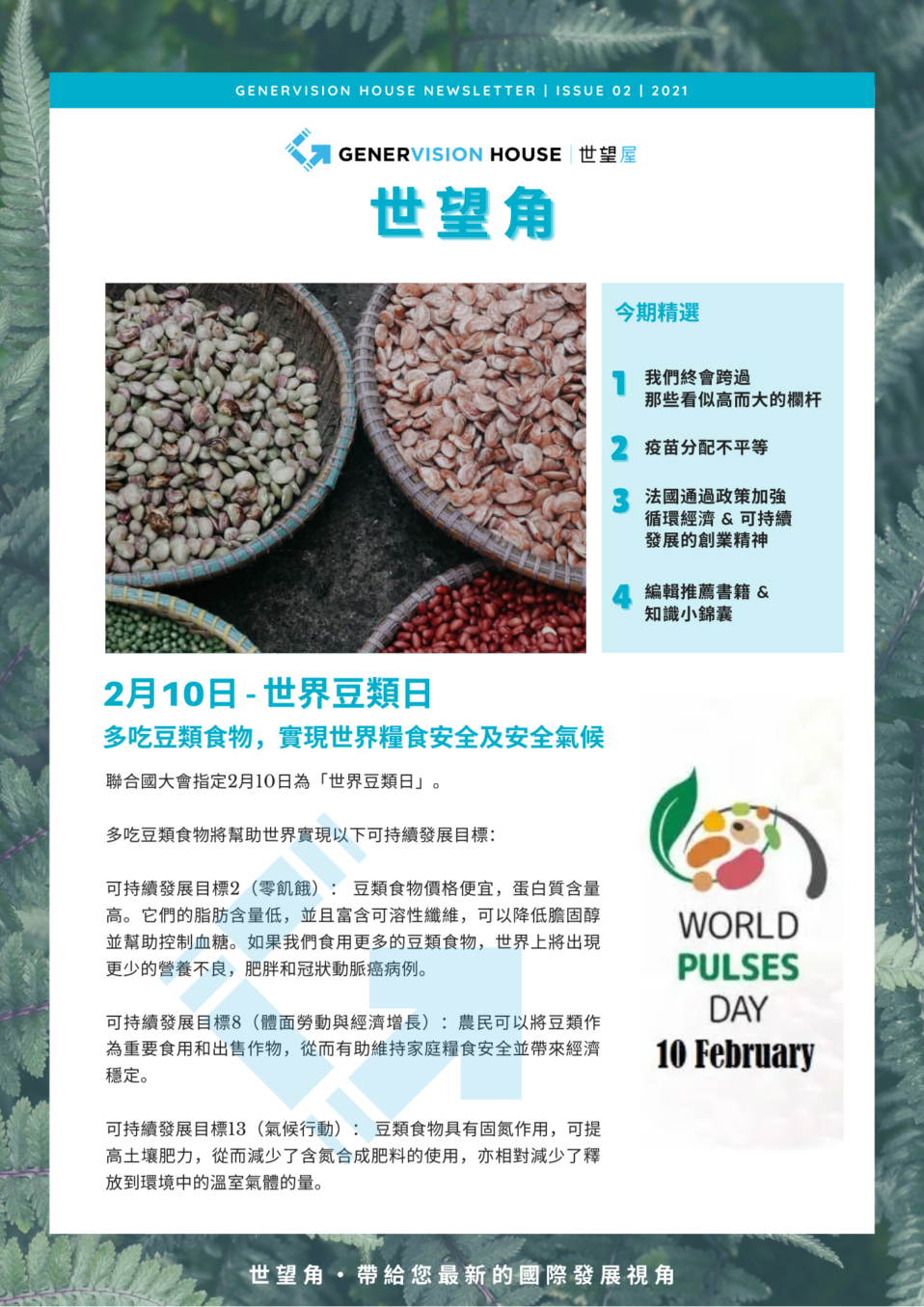
世望屋月刊【世望角】第2期:

Newsletter_Issue_02_EN

Newsletter_Issue_02_CH

Read more

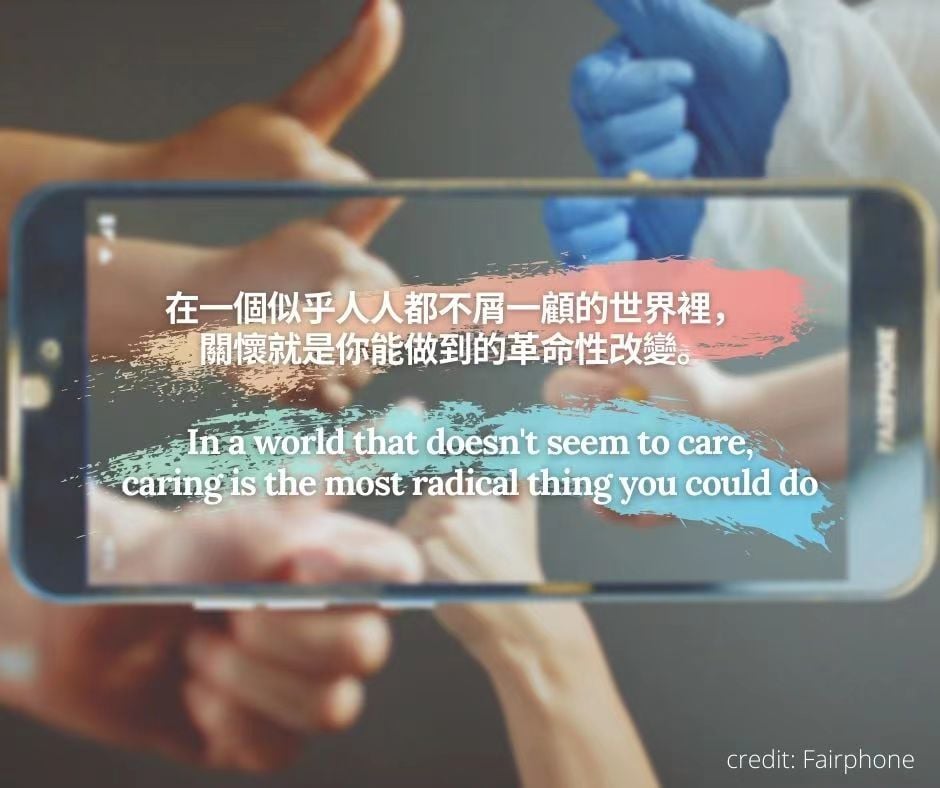
【可持續發展相關資訊】用更公平的手機創造更公平的世界

【可持續發展相關資訊】用更公平的手機創造更公平的世界🤳🏼⚖️
您了解手上拿著的手機嗎?📲您可能知道它不同的先進規格,但對於要將這部輕巧新穎的手機送到您手上的過程,您認識多少呢?💭💬
其實,生產(和棄置)一部智慧型手機的過程十分之複雜。很多時候正是因為缺少了這方面的信息,我們會在不知不覺間促使了在手機生命週期衍生的各種問題⚠️比如衝突礦業💥 惡劣的工作環境🙅🏻‍♀️ 以及電子垃圾污染🗑💿 等等。
🔍由於電子行業缺乏透明度,很多企業沒有受到要負責任的壓力而去改變各種不公平的現狀,導致這些問題仍然存在。
💡但有一家公司卻有獨出心裁的想法。Fairphone就是一間致力於解決這種資訊透明度不足和其所衍生的不公平問題的社會企業🤝
✨Fairphone值得一提的亮點包括:
它是透過眾籌的方法來融資,並且是由用戶和電子維修專家共同參與的設計過程📝
它是一款模組化手機,用家可以直接從官網訂購零件來進行補修或將部份零件升級🪛
他們向工廠的工人支付維生工資,並為工人設立福利基金💰全權由工人自己選出的代表來管理🗳
他們以負責任方式採購礦產⛏ 同時不斷研究和增加在手機中使用回收物料的比例♻️
🔗通過以下連結可以了解更多關於Fairphone如何重新定義公平在經濟發展中的意義:
📑資料來源:
“Fairphone: Sustainability from the Inside-Out and Outside-In” by Wernink and Strahl
[Information related to Sustainable Development] Create a Fairer World with a Fairer Phone🤳🏼⚖️
How much do you know about your phone? 📲You’d probably know about how many cool specs it has, but what about what it takes to have this sleek and light phone delivered to your hands? 💭💬
The processes that it takes to produce (and dispose) of a smartphone are very complex. Oftentimes, because there’s so little information available about that, we unknowingly contribute to the many problems along the lifecycle of a smartphone⚠️ such as conflict minerals💥 poor working conditions🙅🏻‍♀️ and e-waste pollution🗑💿 to name a few.
🔍Because of the lack of transparency in the industry, those problems remain as companies don’t feel pressured to change the unfair status quo.
💡But one company thinks differently. Fairphone is a social enterprise that aims to address the transparency problem and the unfair processes associated with it 🤝
✨Few highlights of Fairphone:
It’s financed through crowdfunding and designed by involving public participation of users and electronic repair guru📝
It’s a modular phone that allows the customer to tinker and upgrade – with spare parts that they could directly purchase from the official website🪛
They pay workers in the factory a living wage, plus setting up a welfare fund for workers💰 to be managed by the representatives they elected 🗳
They source responsibly mined minerals ⛏ and continue to increase the use of recycled materials in the phones ♻️
🔗Read more about how Fairphone is redefining what fair means in the economy here:
📑Reference:
“Fairphone: Sustainability from the Inside-Out and Outside-In” by Wernink and Strahl
Read more

【可持續發展目標4:優質教育】

【可持續發展目標4:優質教育】
「我們必須做更多工作,推進可持續發展目標4,確保包容和公平的優質教育,讓全民終身享有學習機會。」- 聯合國秘書長 安東尼奧•古特雷斯
2018年,聯合國大會🇺🇳宣佈1月24日為國際教育日,以慶祝教育📚對和平🕊與發展的作用。
新型冠狀病毒大流行🦠導致了有史以來最大規模且極其嚴重的全球學習中斷。疫情高峰時,幾乎所有學校、學院和大學🏫都被迫關閉。
今天,世界仍有大量的人由於種族、性別、社會階層和經濟困難而無法獲得教育:
👦🏼2.58億兒童和青年沒有上學;
🧒🏽6.17億兒童和青少年不會閱讀和做基本的數學題;
👧🏾撒哈拉以南非洲只有不到40%的女孩初中畢業,
約400萬兒童和青年難民失學。
這些人受教育的權利被剥削。如果沒有全面和公平的優質教育和終生發展機會,各國將無法成功實現🚹🚺性別平等,也無法打破使數百萬兒童、青年和成人的貧困循環。
[Sustainable Development Goal 4: Quality Education]
“We must do far more to advance Sustainable Development Goal 4, to ensure inclusive and equitable quality education and promote lifelong learning opportunities for all.” – UN Secretary-General António Guterres
In 2018, the United Nations General Assembly🇺🇳 proclaimed 24 January as International Day of Education, in celebration of the role of education📚 for peace🕊 and development.
The COVID-19 pandemic🦠 has caused the largest and most severe global suspension of education in history. At the peak of the pandemic, almost all schools, colleges and universities🏫 were forced to close down.
There is a huge number of people who do not have access to education due to their race, gender, social class and financial difficulty:
👦🏻258 million children and youth still do not attend school;
🧒🏽617 million children and adolescents cannot read and do basic math;
👧🏾less than 40% of girls in sub-Saharan Africa complete lower secondary school and some four million children and youth refugees are out of school.
Their right to education is being violated. Without inclusive and equitable quality education and lifelong opportunities for all, countries will not succeed in achieving 🚹🚺gender equality and breaking the cycle of poverty that leaves millions of children, youth and adults behind.
Read more

【可持續發展相關報告】

【可持續發展相關報告】✍️
今天小編想與各位分享出自經濟與和平研究所(Institute for Economics & Peace)的《生態威脅報告2020》(Ecological Threat Register 2020),這份報告衡量了全球各國當前面臨的主要生態威脅並對2050年的全球生態環境進行了預測。
核心發現如下:
⚠️全球有141個國家至少面臨一種生態威脅,19個國家面臨四種或更多威脅。
👥全球有64億人口生活在面臨中度至高度生態威脅的國家。
🌾到2050年,報告所涉的157個國家中有34%可能面臨災難性的缺水問題,22%可能面臨糧食無保障問題。
💧報告所涉國家中有60%常受洪水的影響,其次是缺水,到2040年時水源匱乏問題將影響43%的國家,特別是中東和北非地區將面臨巨大風險。
🗯撒哈拉以南非洲、南亞、中東和北非是面臨生態威脅最多的地區;且結合全球和平指數,受生態威脅影響最嚴重的19個國家中,有10個國家目前處於動盪狀態。
🧑‍🍼由於人口增長率低,歐洲和南美洲多數國家將面臨較低程度的生態威脅。
【Sustainable Development Related Report】✍️
Today the editor would like to share with you the “Ecological Threat Register 2020” from the Institute for Economics & Peace. This report measures the major ecological threats that countries around the world currently facing and predicts the global ecological environment in 2050.
The core findings are as follows:
⚠️There are 141 countries facing at least one ecological threat, and 19 countries facing four or more threats.
👥There are 6.4 billion people living in countries facing moderate to high ecological threats.
🌾By 2050, 34% of the 157 countries covered in the report may face catastrophic water shortages, and 22% may face food insecurity.
💧60% of the countries covered in the report are often affected by floods, followed by water shortages. By 2040, water scarcity will affect 43% of the countries. The Middle East and North Africa will face huge risks.
🗯 Sub-Saharan Africa, South Asia, the Middle East, and North Africa are the regions facing the most ecological threats; combined with the Global Peace Index, 10 of the 19 countries most affected by ecological threats are currently in a state of turbulence.
🧑‍🍼 Due to the low population growth rate, most countries in Europe and South America will face relatively low ecological threats.
Read more

【可持續發展相關新聞:數據和實驗有助制定更好的國際發展政策】

【可持續發展相關新聞:數據和實驗有助制定更好的國際發展政策】
Innovations for Poverty Action(IPA)是美國一所著名專門研究脫貧項目的非牟利機構。👨‍💻👩‍💻通過在當地收集數據、提供激勵措施和進行隨機對照試驗(Randomized Control Trial),此機構的研究成果成功解決了🌍世界各地的貧窮難題。IPA 的執行董事Annie Duflo 認為很多的非牟利機構缺乏資源和資金去當地進行科學研究,而這卻是決定政策成敗的主要關鍵。這個狀況亦導致很多政府和捐助者浪費了資金在無效的方案上。
📚👇一些IPA的突破性研究:
🔍 在水源附近放置免費的氯分配器能解決因腹瀉致死的個案。在貧窮國家,提供簡易方案比培訓市民更有效。此研究成果成功讓肯尼亞、烏干達及馬拉維的水源更潔淨💧
🔍💰微型信貨在貧窮國家裏不是萬能的方案—它能確保小型企業的所有權,但不能確保市民的收入會有所提升及減少不平等。🏥醫療保健服務和👩‍💼🧑‍💼廣泛職業培訓亦十分重要。
🔍提供💪🏻激勵措施是十分有效的機制去改變市民的行為。例如,通過提供小扁豆以換取市民打疫苗,在印度烏代浦的疫苗接種率提升了六倍📈
[Sustainable Development Related News: Data and Experiments Help Produce Better Policies for International Development]
Innovations for Poverty Action (IPA) is a well-known Non-Profit Organization specializing in poverty alleviation projects in the United States. 👨‍💻👩‍💻By collecting data locally, providing incentives and conducting randomized controlled trials, the research findings of this institution have successfully tackled poverty issues around the world. Annie Duflo, the Executive Director of IPA, believes that many Non-Profit Organizations lack the resources and funds to conduct scientific research locally, and this is the key to determining the success or failure of policies. This situation has also caused many governments and donors having wasted funds on ineffective programs.
📚👇Some breakthrough research findings from the IPA:
🔍 Placing free chlorine dispensers near the water source can solve deaths caused by diarrhoea. In poor countries, providing easy solutions is more effective than training citizens. The results of this research have successfully made the water sources in Kenya, Uganda and Malawi cleaner 💧.
🔍💰Micro-credit is not a panacea in poverty-ridden countries —it can ensure the ownership of small businesses, but it cannot ensure that citizens’ income will increase and that inequality will be reduced. 🏥Health care services and 👩‍💼🧑‍💼 extensive vocational training are also crucial.
🔍Providing 💪🏻incentive measures is a very effective mechanism to change the behavior of citizens. For example, by providing lentils in exchange for citizens to vaccinate, the vaccination rate in Udaipur, India has increased by six times📈.
Read more