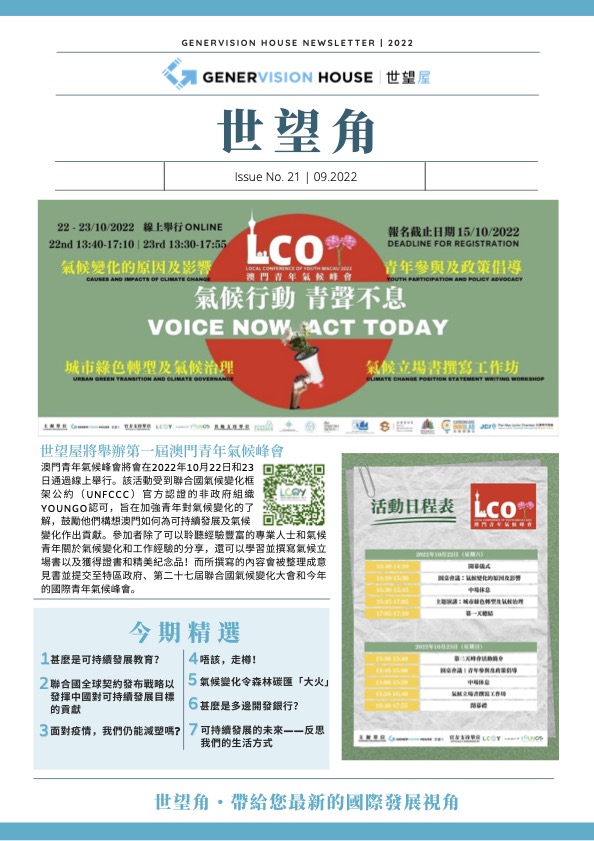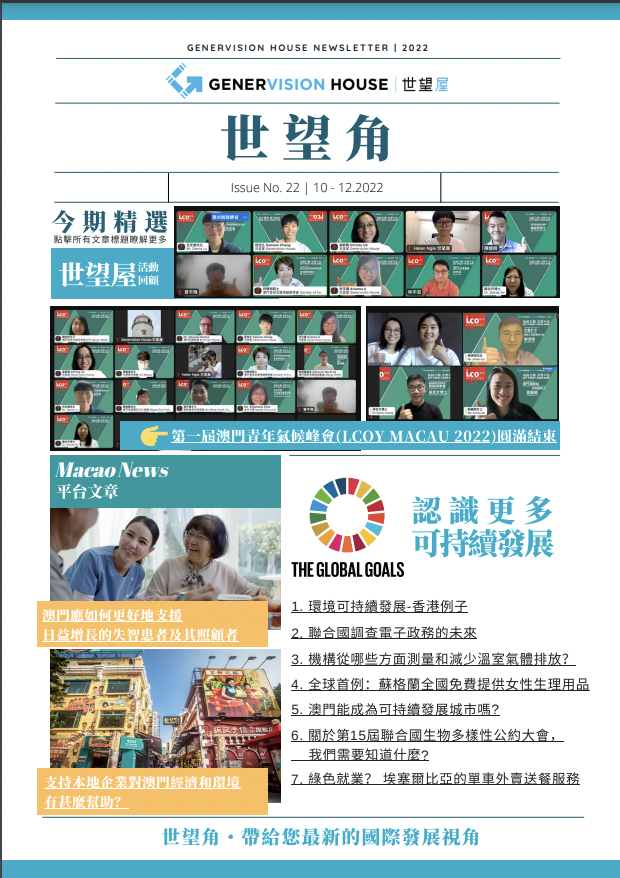
世望屋月刊【世望角】第22期:

本地非政府組織把澳門青年的聲音帶進聯合國第27屆聯合國氣候變化大會
澳門首屆地方青年氣候峰會為許多人敲響了警鐘,為 「保護我們唯一的家園和未來 」提供了大膽的解決方案。
在本地非政府組織世望屋的籌辦下,澳門青年的聲音成功傳達到2022年聯合國第27屆氣候變化大會(COP27)。 世望屋組織了首屆澳門青年氣候峰會(Local Conference Of Youth,簡稱:LCOY),該峰會於10月通過視頻會議軟件Zoom舉行,旨在為應對氣候變化的年輕人賦能。 為期兩天的綫上會議是聯合國(United Nations)支持在世界各地舉行的其中一個地方青年氣候峰會,每個地區最終都發表了 「青年共同的氣候變化立場書(collective climate change position statement)」。
世望屋的共同創辦人袁斯陶在LCOY第一天的開幕致辭中說:「我們大多數人從未想過我們如何應對氣候變化並為此做出貢獻。」 她繼續指出:「我們需要更多的人關注這個問題,找到更好的解決方案。」
袁斯陶為澳門現今的氣候前瞻性思維描繪了一幅黯淡的畫面。 她指出,負責任消費和生產正在 「倒退」,並強調2017年颱風 「天鴿」造成的破壞作為澳門極端氣候事件的一個例子,該颱風在大灣區造成16人死亡。 對於任何想把 颱風 「天鴿」列為異常事件的人來說,她也表示,自1968年以來襲擊澳門的七個十號颱風中,有三個是在過去五年內發生的。 全球氣溫上升是氣候變化的一個標誌,導致颱風等極端天氣事件更加頻繁發生。
近200人參加了LCOY,其中不到一半是大學生。 百分之十九的出席者是中學生,其餘是工在職人士。 這次活動有11位演講者,他們來自法律、氣候行動主義、商業和學術界的背景。 他們討論從塑料廢物到企業責任及碳中和等的主題。 所有講者都普遍認為,澳門可以做更多的事情來減少氣候變化的影響,特別是與中國内地和世界上其他中高收入地區相比。

提高就氣候變化對澳門的影響的認識以及個人、企業和政府如何採取更多行動是該峰會的重要主題。 作爲其中一位演講者,嘉諾撒聖心英文中學地理科科主任呂定倫提及到他的學生與氣候的脫節:「大多數學生只是發現自己很高興得到一個颱風假期。」 袁斯陶指出,小小的澳門在面對氣候變化時往往是 「一個被動的城市」,依靠更大的參與者來決定其未來。第三位將這稱:「我們應該把澳門看作是一個對應對氣候變化有貢獻的城市,而不僅僅是參與其中。」
峰會的58名參加者在LCOY的第二天共同撰寫了他們的澳門青年氣候變化立場書, 世望屋隨後向COP27氣候談判提交了這份聲明,而該談判吸引了100多位世界領導人於今年11月底來到埃及。 這使澳門青年的獨特觀點能夠與來自世界各地的觀點一起被接收。
該立場書分為五個部分:氣候賦權行動;氣候適應;氣候變化、城市與健康;可再生能源;以及綠色產業。 每一部分都為大家觀察到的氣候問題提供了具體的解決方案。
第一部分指出,雖然 「澳門有豐富且相對容易接近的生物多樣性環境」,但許多當地人與其存在隔膜或對其漠不關心。 報告建議,改善人們與澳門自然環境的聯繫可以激勵他們改變行為。
例如,其中一個方法便是讓他們更清楚地了解氣溫上升和污染是如何影響本地花草和動物。
這份立場書敦促澳門特區政府 「通過教育和財政激勵措施促進環境友好行為」。 建議的行動之一是資助那些舉辦大自然活動並與學校合作的社團。 其他行動包括補貼公共交通,引入鼓勵回收的政策,以及創建一個定期發佈澳門應對氣候變化工作的進展報告的「氣候資訊一站式平台」。
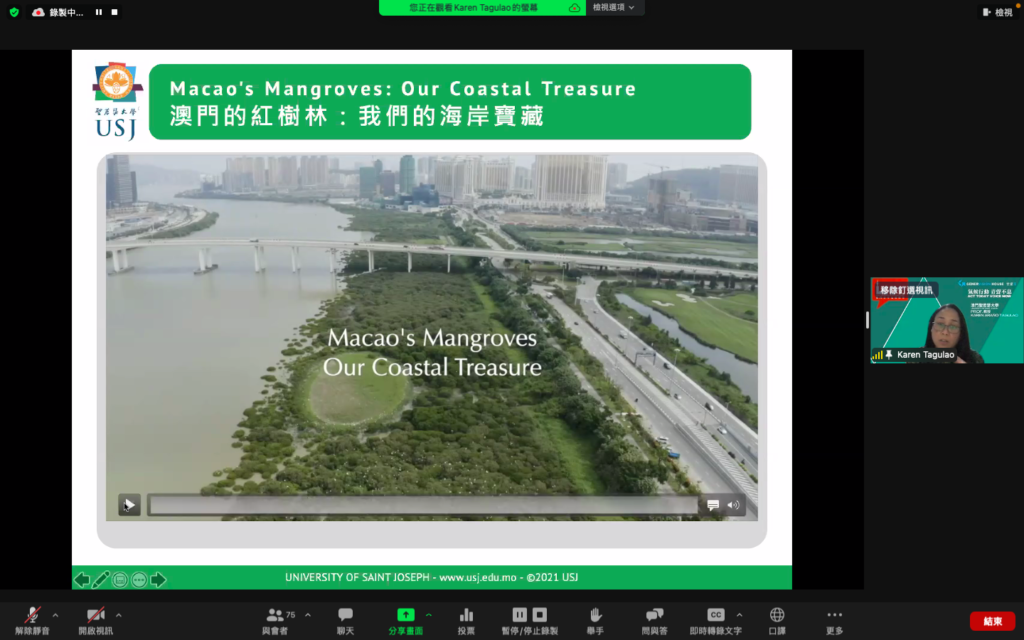
在可採取的措施方面,立場書呼籲將基於自然的解決方案(Nature-based Solutions,簡稱:NbS)納入澳門現有的防災減災計劃。 紅樹林是用於控制潮汐洪水的一個NbS例子,它們也吸收碳並促進生物多樣性。 中國發明的 「海綿城市 」模式是應對降雨造成的洪澇災害的NbS,通過透水路面和地下儲水箱等方式,收集、控制和重新利用多餘的水。
該立場書表示,社會需要進行更多的學術研究探討哪些氣候適應措施最適合澳門,包括市民如何在更極端的溫度下舒適和可持續地生活。 立場書也指出,在沒有考慮到氣候的情況下建造的建築物通過低效的加熱和冷卻製造過多的碳排放。制定和執行綠色建築標準是為城市的未來發展提供保障的方法之一。
除了激勵更環保的建築,該聲明還建議將城市的 「棕色地帶」(廢棄的土地)開發成公共綠地,作為碳匯。 由於汽車是碳排放的主要來源,立場書還表示希望使澳門更適合於步行和騎自行車。
立場書承認供應澳門大部分電力的中國南方電網已經使用了百分之五十的可再生能源。 立場書還讚揚了政府使用太陽能發電的巴士站牌,但敦促政府擴大使用本地生產的太陽能。 該立場書建議對新建築強制使用屋頂太陽能板。
立場書的最終部分將產業綠化與擴大澳門就業市場(同時也是本澳政府的目標)聯繫起來。 立場書表明,市民目前對綠色企業的含義的理解是有限的, 「許多人錯誤地認為,它只是一個與銷售環保產品和提供清潔能源有直接聯繫的傳統行業。」更準確的定義是,如果一個企業努力將其對環境的負面影響降到最低,它就是綠色企業。 如果澳門有更多的行業採取這種方式,那麼在廢物管理、環境科學、可再生能源、園林建築學和可持續發展等領域將有更多的就業機會。
由世望屋編輯的澳門青年氣候變化立場書明確帶出氣候變化的緊迫性。 「很明顯,老一代人沒有保護好地球,而年輕人將不得不用他們的未來來償還。 」立場書續道,「作為歷史上數量最多的一代青年和未來領導者,我們必須加大努力,保護我們唯一的家園和我們的未來。 」
澳門青年氣候立場書!出爐啦!!!
As the beginning of 2023, we are delighted to have our first Local Conference of Youth (LCOY) covered by Macao Magazine, which is published by the Government Information Bureau.
The collective statement – edited by Genervision House – was unequivocal in its urgency. “It is clear that the older generations have failed to protect the planet, and the youth will have to pay with their futures,” it read. “As the largest generation of youth in history and leaders of tomorrow, we have to scale up our efforts to protect our only home and our future.”
Click on the article to read more about the conference highlights, speakers’ messages, and the key takeaways of the collective climate change youth statement.
2023年的第一彈!我們很高興政府新聞局雜誌《Macao Magazine》報導我們團隊舉辦的首屆澳門青年氣候峰會。
由世望屋編輯的澳門青年氣候立場書明確表明氣候行動的緊迫性。 這份由本澳青年撰寫的聲明表示:「很明顯,老一代人沒有保護好地球,而年輕人將不得不為他們的未來付出代價。」 同時,聲明也指出:「作為歷史上數量最多的一代青年和未來的領導者,我們必須加大努力,保護我們唯一的家園和我們的未來。」
點擊文章閱讀更多關於會議的重點、演講者的訊息以及澳門青年氣候立場書的主要。
支持本地企業對澳門經濟和環境有甚麼幫助?How supporting local businesses helps Macao’s economy and environment
作為一個全球城市,我們需要重振經濟、恢復環境,並變得更有韌性。我們可以從支持本地企業開始。
新冠疫情和氣候變化凸顯了經濟與環境之間不可分割的聯繫。在已知的傳染病中,有一半以上是人畜共患的,代表它們是從動物傳染給人類的,而且往往是由於人類的發展侵佔了野生動物的棲息地而發生的。隨著人類以進步和掙錢的名義擴大他們的足跡,可能會破壞生態系統並導致土地退化——兩者都會導致氣候變化。
當自然受到損害時,我們的經濟也會受到影響。
自2020年以來,澳門經濟已較疫情前萎縮近一半,而近期的自然災害更令澳門損失慘重。例如,颱風「天鴿」和「山竹」分別為澳門造成125億澳門幣和17億澳門幣的損失。
本地的領導必須將重點放在經濟和環境的結合點上,以確保強勁而有韌性的復甦。這種復甦甚至可能需要我們從新建立一些系統。
澳門需要向可再生能源和清潔能源過渡,建設更可持續的交通,改造建築物和住宅,以增強對氣候變化日益增長的影響的適應能力,以及改善城市綠地等。這些綠色投資不僅有助於城市減緩氣候變化,還將創造就業機會和更多的經濟機會。
與此同時,作為社會上的個體,你怎樣才能貢獻一分力呢?你可以通過支持本地的商店和企業來投資本地經濟。在本地購物不僅可以令我們的社區更強大,還可以幫助振興自然和促進經濟增長。更好的是,這是每個人都可以做的事情。以下是為什麼在本地購物這麼重要:
- 把資源留在本地社區裡
當我們把錢花在本地企業上,而不是他們的進口商品或國際品牌上時,高達70%的資源會通過供應鏈和社區活動回流到社區。
由於本地企業的大部分活動都在澳門社區進行,它們更有可能僱用澳門居民,並通過本地供應商採購商品和服務。因為我們社區裡也有澳門企業家,他們賺的錢也會在當地消費。
本地企業也可能通過志願服務、慈善工作和捐款來回饋那些需要幫助的人。慈善活動有助於企業傳播積極的品牌價值,提高團隊士氣(因為這也是他們的社區)。
- 培養更強大的社區,更有力的環保行動
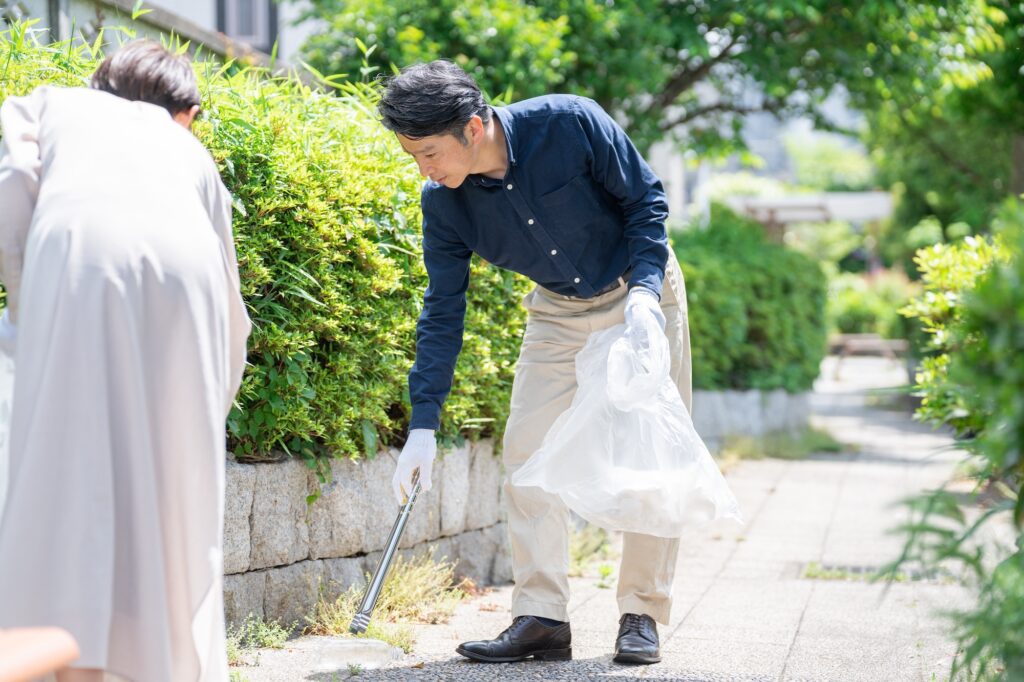
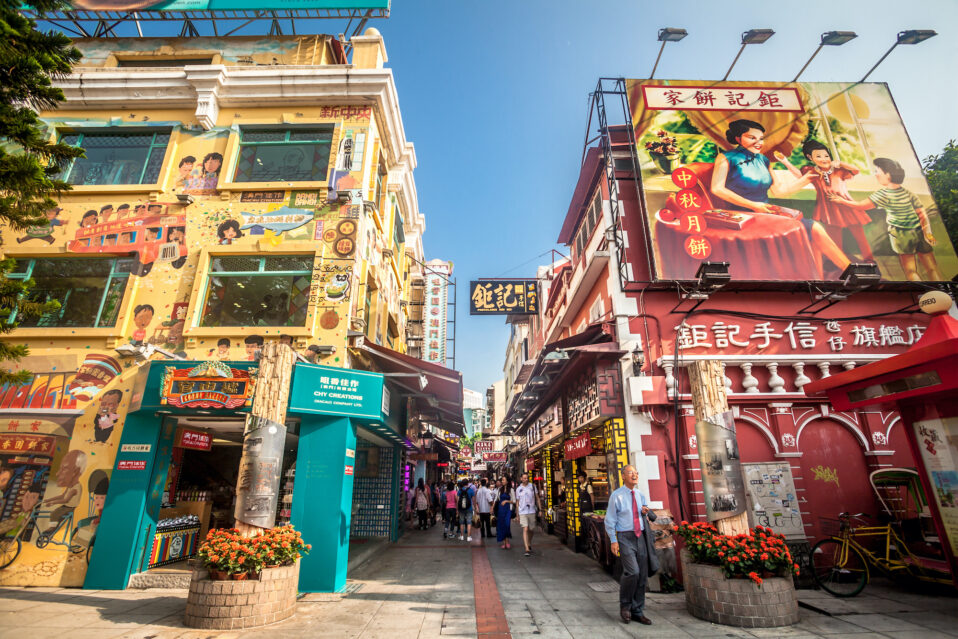
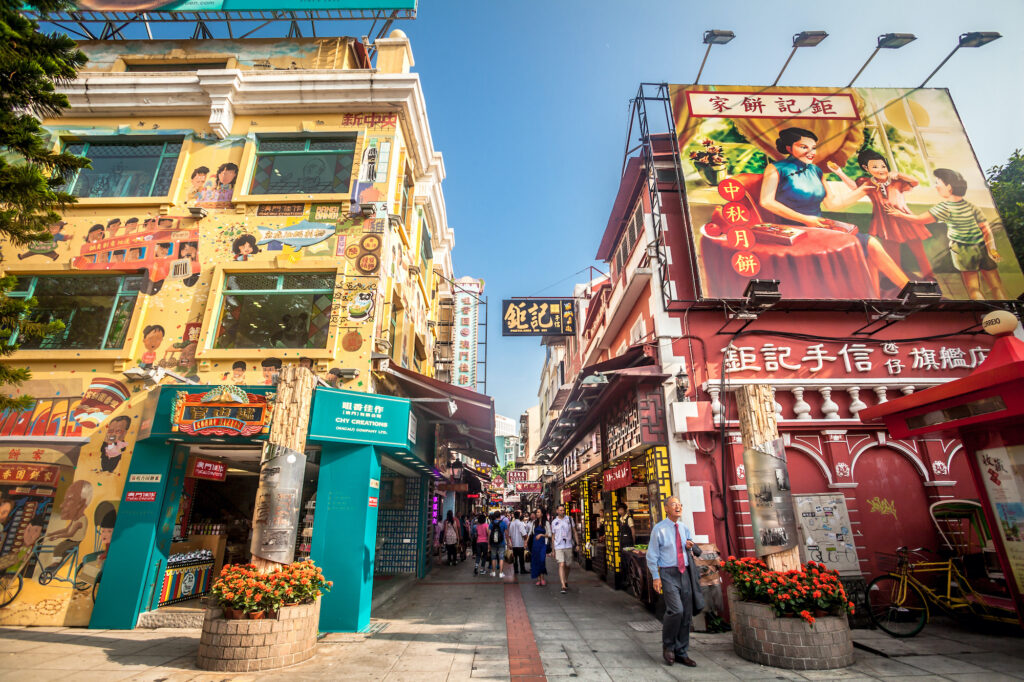
本地的實體店構成一個城市身份的重要組成部分。它們提供了居民可以互相問候、敘舊或聚會的空間,培養他們在社區中的熟悉感和歸屬感。無論是在繁忙的高士德的百年茶餐廳,還是歷史悠久的瘋堂區的獨立小書店,本地商店有助於我們記住一條街道或一個社區,這也加深了我們的聯繫。
研究表明,對社區有強烈歸屬感的人更有可能保護環境。因此,通過投資本地的商店,我們也在為更環保的選擇和行動播下種子。
- 減少我們的足跡

運輸佔全球二氧化碳排放量的五分之一,其中40%以上來自貨運。
當我們從本地商店購買本地或鄰近區域生產的產品時,我們通過減少運輸來幫助降低整個供應鏈的碳排放。如果該產品使用來自附近地區的可持續材料製造,其環境足跡將進一步縮小。
例如,購買一個在內地種植的蘋果,用卡車運輸到澳門,總比購買從美國進口的蘋果碳足跡更小。總括來說,最好盡可能在本地商店購買可持續生產的產品,而不是購買進口產品。
然而,「買本地貨」規則也有例外。例如:無論在哪裡生命,牛肉和羊肉等產品都有相當大的碳足跡。
- 減少浪費

購買本地產品的另一個好處是可以避免產生更多的垃圾。由於本地產品需要更少的運輸,它們通常使用更少的包裝。你不需要購買以塑料包裝的進口豆腐,只需要要去義字街的商店就能買到完全沒有包裝而且新鮮製造的豆腐。
隨著零廢物商店在澳門開始出現,現在也有更多的選擇來滿足你對生活用品和柴米油鹽的需求-這是支持本地企業和保護環境的完美方式!
許多人在疫情期間都有頓悟,如果我們要解決全球性問題,地方性的解決方案與國家和國際性解決方案同樣重要。支持本地企業不僅僅能加強社區,面對未來的挑戰,它可以為迅速和持久的經濟和環境復甦創造機會。
如何在今天開始「買在本地」?
只需幾個簡單的步驟,你就能產生巨大的影響。
- 把你定期需要購買的日常必需品和雜貨列一個清單
- 分析每一個產品:這個東西在你的社區附近是否可以買到?
- 找出販賣這些本地產品的澳門店鋪
- 開始逐步或一次性淘汰進口商品
As a global city, we need to revitalise economies, restore the environment and become more resilient. We can start by supporting local businesses.
The pandemic and climate change have underlined the inextricable link between the economy and the environment. More than half of the known infectious diseases are zoonotic, meaning they are transmitted from animals to humans, and often spread due to human developments that encroach on wildlife habitats. As humans expand their footprint in the name of progress and profit, it can destroy ecosystems and cause land degradation – both of which contribute to climate change.
And when nature suffers, so does our economy.
Since 2020, Macao has seen its economy shrink by almost half from pre-pandemic levels, while recent natural disasters have cost the city dearly. Typhoons Hato and Mangkhut, for example, cost the city MOP 12.5 billion and MOP 1.7 billion, respectively.
Local leadership must focus on the point where economics and the environment converge to ensure a robust and resilient recovery. That recovery might even require rebuilding some of our systems from the ground up.
Macao will need to transition to renewable and clean energy, build more sustainable transportation, retrofit buildings and homes to be more resilient to the growing impacts of climate change, and improve urban green spaces, among other things. These green investments will not only help a city mitigate climate change, they will also create jobs and more economic opportunities.
In the meantime, how can you, as an individual, make a difference? Invest in the local economy by supporting our local shops and businesses. Not only will shopping locally strengthen our community, but it can also help revitalise nature and boost economic growth. Better yet, it’s something anyone can do to make a difference. Here’s why shopping local matters:
1. It keeps money in the community
When we spend money on locally owned businesses rather than their imported goods or international brands, more money circulates back into the community – as much as 70 per cent – through the supply chain and community activities.
Since locally owned businesses carry out most of their activity in the community, they are more likely to hire Macao residents and source goods and services through local suppliers. And because a Macao business owner also lives in our community, the profits earned through the business will be re-spent locally.
Local businesses are also likely to give back to those in need through volunteering, charity work and donations. Philanthropic activities help businesses communicate positive brand values and improve team morale (and because it’s their community, too!)
2. Fosters a stronger community, stronger eco actions
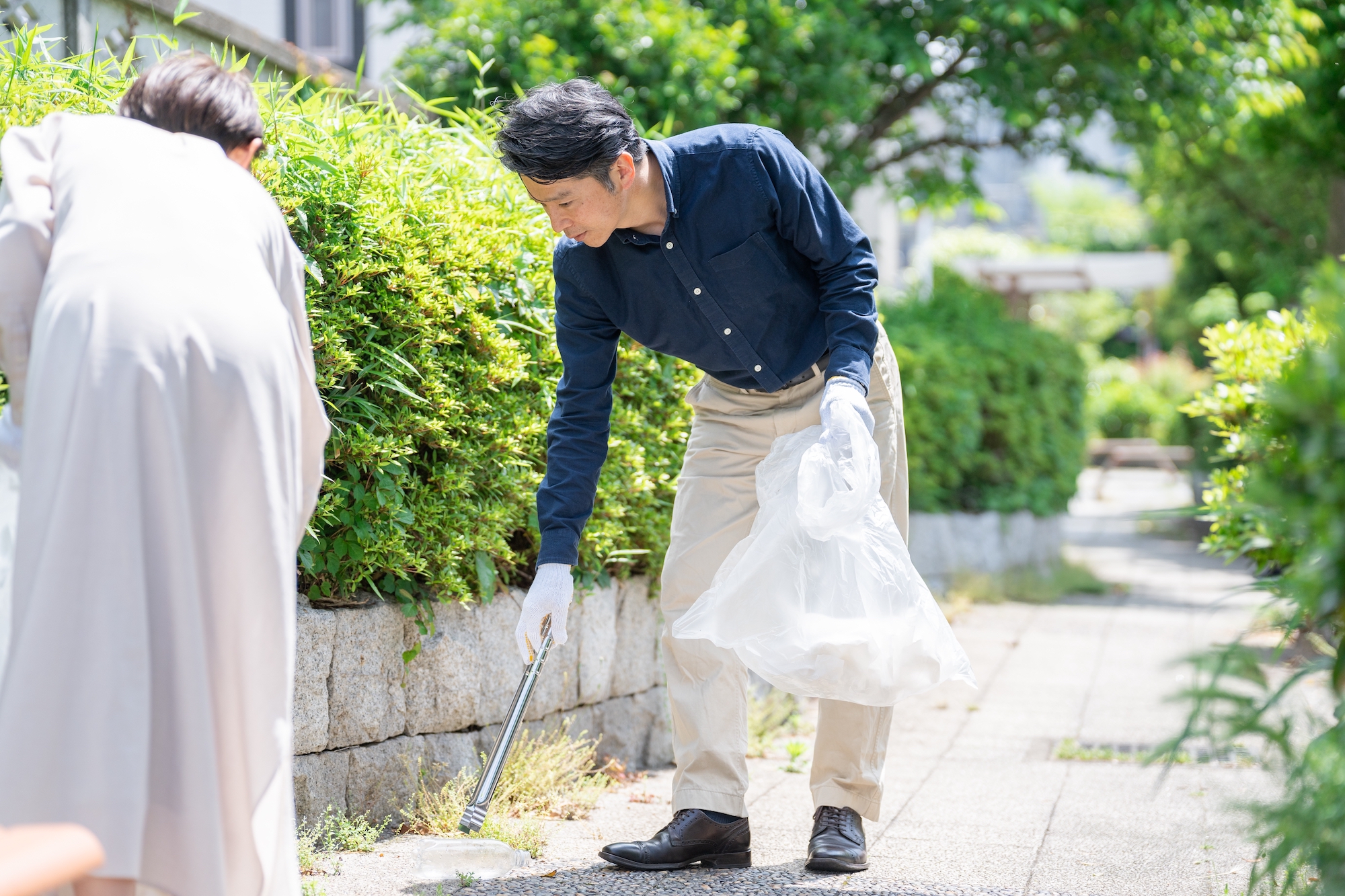
Local brick-and-mortar shops form a crucial part of a city’s identity. They provide spaces where residents can greet each other, catch up and or gather, which develops their sense of familiarity and belonging in a community. Whether it’s a century-old cha chaan teng (Chinese-style cafe) along busy Avenida Horta e Costa or a little indie bookshop in the historic São Lázaro area, local shops also help us remember a street or a neighbourhood, which also deepens our connections.
Research shows that people who feel a stronger sense of belonging to the community are more likely to protect its environment. So by investing in our local shops, we are also sowing the seeds for more environmentally friendly choices and actions.
3. Reduces our footprint

Transportation accounts for one-fifth of global carbon dioxide emissions, over 40 per cent of which can be traced to freight.
When we purchase a product from a local shop made locally or regionally, we help lower carbon emissions across the supply chain by minimising transit. And if that product is made using sustainably sourced material from a nearby area, its environmental footprint will shrink further.
For example, buying an apple that was grown in mainland China and transported by truck to Macao will have a smaller carbon footprint than buying an apple imported from the US. Overall, it’s best to buy sustainably produced items from a local shop whenever possible instead of buying imports.
There are exceptions to the “buy local” rule, however. Products such as beef and lamb have a sizable carbon footprint regardless of where they are cultivated.
4. Cuts down on waste

Another perk of buying local is that you can avoid creating more waste. Since local products require less transportation, they often require less packaging. Instead of buying imported tofu wrapped in plastic, you can simply visit a shop on Rua da Emenda to buy freshly made tofu with no packaging at all.
With zero-waste stores starting to appear in Macao, there are now more options to refill your own containers, too – a perfect way to support local businesses and protect the environment!
Many people have had epiphanies during the pandemic: If we are going to solve global problems, local solutions are just as important as national and international ones. Supporting local businesses doesn’t just strengthen the community. It can create opportunities for a swift and enduring economic and environmental recovery in the face of future challenges.
How to: Shop local today
With a few easy steps, you can make a big impact.
– Make a list of the daily essentials and groceries you purchase regularly
– Analyse each one: Is there a local alternative in your community?
– Identify Macao-owned shops carrying the local alternatives
– Start phasing out imported goods gradually or all at once
文章來源 Source:https://macaonews.org/living/how-supporting-local-businesses-helps-macaos-economy-and-environment/

澳門應如何更好地支援日益增長的失智患者及其照顧者 How Macao can better support dementia patients and their caretakers as cases rise
隨著人口迅速老齡化和失智症例逐年增加,澳門必須找到新的方法來支援失智症患者及其陷入困境的家庭。

根據 今年6 月澳門統計暨普查局發布的2022人口普查報告,澳門 65 歲以上的人口在過去十年中翻了一倍以上,佔現時人口的 12.7%, 比同期增加20%;相繼而之, 按照世界衛生組織所發佈報告,人口老齡化往往會導致更多的失智症病例。失智症是表示大腦損傷的症狀的總稱——本質上是指病患的記憶力、思維能力、方向感、語言技能和社交技能退化,阿爾茨海默病則是最常見的失智症類型之一;總括來說,目前沒有治愈這種會殺死腦細胞的神經系統疾病的方法。
根據澳門老年癡呆症協會 (MADA) 引用的 2021 年研究——澳門癡呆症患病率和發病率的人口趨勢分析”指出目前已有 6,000 多名澳門人被診斷出患有失智症並預計這一數字每年將增加 1,000 例。至於全球失智症病患的數字,阿爾茨海默氏病國際組織估計,截至 2020 年,失智症會影響全球超過 5000 萬人,並預測病例數每 20 年翻倍的升幅。 然而,根據 2011 年和 2021 年進行的研究,失智症在中國內地的患病率卻以在短短十年內翻了一倍多。失智症全球惡化量表將該綜合症分為七個階段,患者從第五階段開始,將無法在沒有任何幫助的情況下生活;到第七階段,患者將失去所有的語言能力、行動能力和排尿控制能力。綜觀來說,家庭成員為失智症患者提供絕大多數的家庭護理卻沒有得到相應的支援,故此亦被稱為「隱形第二患者」。
澳門明愛秘書長潘志明在一個採訪中表示,澳門大部分照顧者都低估了照顧患有失智症的長者親屬的壓力,也不知道何時該尋求專業幫助。 澳門大學和扶康會的一項研究發現,近三分之一負責照顧患有精神障礙(包括失智症)的家庭成員都經歷過中度至重度抑鬱症,近一半的人在照顧家人的過程中經歷過中度至重度焦慮症。失智症嚴重影響患者、他們的家庭和社會,這反映出一個重要問題:澳門是否準備好面對人口老齡化的社會轉變?
澳門面對的挑戰
目前全澳只有兩間安老院舍,分別是欣頤居護養院和筷子基綜合安老服務中心,是配備接收失智症患者入住的社福機構,而另外三間的日間護理中心有專門提供認知治療和起居訓練等服務,但據社工局的調查發現遠遠供不應求。目前需要大約兩個月的時間來確認失智症診斷,然後再花幾週時間進行後續家訪,以評估被患者者是否適合入住相應的機構。 但接下來卻是長達數年時間的等待,直至現有住院病人去世後,患者才有機會獲准進入設施,而在此段空窗期,患者必須在家中由家人或合格的家庭傭工照顧。
澳門明愛在 2021 年進行該課題的研究時發現,大部分受訪居家照顧者在照顧失智症患者時都感到壓力和孤獨。 該組織指出,由於社會大眾期望他們承擔大部分的照顧責任,心理崩潰在失智症護理人員中很常見;更重要的是,許多家庭因缺乏醫療保健專業人員的指導而感到無助。雖然已經有一些新的日託中心和住宿院舍即將開業,但澳門土地資源少使得建造任何類型的新設施都成為一項挑戰,將繼續深化供不應求的問題。
關於失智症世望屋有以下建議
在短期內,澳門可以通過實施一些措施來減輕居家護理人員的壓力並改善失智症長者的福祉:
- 將 MADA 的熱線擴展為全天候服務
MADA 現有的求助熱線在周一至週五由訓練有素的專業人員接聽,但下一步,該服務可以通過實時聊天選項、AI 支持的幫助台和 24/7 幫助的常見問題解答頁面在線擴展。 提供的幫助範圍也可以從目前的服務(包括一般失智症信息、護理技巧和醫療保健新聞)擴展到包括治療選擇、財務和法律資源以及危機諮詢等,為正在掙扎或需要支持的護理成員或患有失智症的病人提供了即時及全面的幫助。
- 提供暫息護理服務
暫息護理讓居家護理人員可以暫時擺脫照顧家人的束縛,並獲得急需的喘息的機會。 它一般可以透過志願者或付費專業人員到訪患者居住的家中,並照顧他們幾個小時、幾天甚至幾週;在某些情況下,亦可以由臨時護理在日託中心或住養院中進行。 在英國,暫息資金由地方議會、國家醫療服務體系和慈善機構提供。
- 改善照顧護理培訓課程
訓練有素或經過認證的失智症護理人員可以減輕醫療系統的壓力並提高所提供的護理水平; 在內地,自 2020 年起,專門針對失智患者的護理員培訓已成為職業認證體系的一部分。而澳門最近 亦推出一些針對家庭護理員的培訓,由鏡湖護理學院和澳門明愛分別提供專業及家居護理員的培訓課程,目前兩班各有 43 名和 30 名學額上限,增加學額可讓更多有志投身行業或有家庭需要的受眾受惠。 另外,澳門政府可以考慮將護理人員培訓納入勞工局開展的帶津培訓計劃,增加本地人就業機會。
從中期來看,澳門可以實施“智慧城市”計劃,透過利用各種科技和創新,提高失智症患者的獨立性從而改善他們的生活。例如,澳門政府可以將現病的交通應用程序升級為更適合老年癡呆症的版本,以幫助其無障礙出行:通過更簡單的界面顯示來簡化出行路線(只顯示從 A 點到 B 點的直接路線)將有助於順利出行並減少輕度失智症患者的困惑。 另外,具有實時位置的虛擬地圖、共享跟踪記錄的能力以及 999 自動撥號功能將使失智症患者的旅程更加安全。同時,澳門政府也可以補貼失智症患者家中的安裝智能家居設備,如感應照明、自動關閉的爐灶、水隔離器和跌倒檢測器也會有所幫助,增加患者的居家安全。
從長遠來看,澳門已經開始透過發展粵港澳大灣區(GBA)來幫助解決其土地稀缺問題; 珠海的澳門新街坊的開發便是一個好例子,澳門應將更多為失智症患者提供服務的日託中心和住宿設施納入新城市計劃中,滿足因人口老化而不斷增長的需求;另外,公營和私營機構都可以根據澳門發展醫療健康產業的政策,考慮更多利用大灣區資源的創新醫療模式。
政府可以考慮資助發展仿照荷蘭的 De Hogeweyk失智症友好社區, De Hogeweyk 是一座類似荷蘭村莊的失智症患者療養院,並內設商店、雜貨店、電影院等,所有工作人員均由訓練有素的失智症專家組成。 這個想法是讓患者在遠離公眾的安全空間的情況下過上相對正常的生活,而目前 De Hogewey 方法令患者在該環境中體驗到的高質量生活而廣受讚譽,目前已被多個歐洲國家採用,澳門借鑒國外的案例,發展一個符合國內文化的首個中國失智症村。
With a rapidly ageing population and dementia cases increasing year after year, the city must find new ways to support individuals and their struggling families.
The number of people over 65 years old in Macao has more than doubled in the past decade, according to the census report, released in June. This age group now makes up 12.7 per cent of the city’s population, which grew at a comparatively modest 20 per cent over the same period. As the World Health Organization has reported, ageing populations tend to see more cases of dementia.
Dementia is an umbrella term for symptoms that indicate brain impairment – essentially, the deterioration of someone’s memory, thinking ability, sense of direction, language skills, and/or social skills. One of the most common types of dementia, Alzheimer’s disease, for which there’s no known cure, is a progressive neurological disorder that kills brain cells.
More than 6,000 Macao people have already been diagnosed with dementia, according to a 2021 study cited by the Macau Alzheimer’s Disease Association (MADA). The authors of that study – “Population trend analysis of dementia prevalence and incidence in Macau”, published by the Macau Journal of Nursing – expect that number to rise by 1,000 cases each year.
Alzheimer’s Disease International estimates dementia affects over 50 million people worldwide as of 2020 and predicts a doubling of cases every 20 years. Dementia’s prevalence in mainland China, however, has more than doubled in just a decade, according to studies conducted in 2011 and 2021.
The Global Deterioration Scale for dementia breaks the syndrome down into seven stages. From stage five onwards, people can no longer live without some assistance. By stage seven, all verbal ability, mobility and urinary control is lost. Globally, family members provide the vast majority of in-home care for people with dementia – and have been dubbed “invisible second patients”.
As Secretary-general of Caritas Macao, Paul Pun, stated in an interview, most caregivers in Macao underestimate the pressure of taking care of elderly relatives with dementia and fail to recognise when to seek professional help. A study by the University of Macau and the Fuhong Society found almost a third of people responsible for looking after a family member with mental disabilities, including dementia, experienced moderate to severe depression, and almost half experienced moderate to severe anxiety in the course of their caretaking.
Dementia profoundly affects those who have it, their families and society, which raises an important question: Is Macao ready to care for its ageing population?
Challenges to overcome
There are currently only two residential care facilities in Macao – Cheerful Home and Fai Chi Kei Integrated Elderly Service Center that accept people with dementia as live-in patients and three daycare centres offering services like cognitive therapy and “daily living” training. This is not enough, according to the Social Welfare Bureau.
It usually takes around two months to confirm a dementia diagnosis, followed by another few weeks for a follow-up home visit to assess the diagnosed person’s condition for admission to a dementia facility. After that, it can take years to finally be admitted into a facility. Beds often aren’t available until an existing in-patient dies. During this time, the patient must be cared for at home by family and qualified domestic workers.
When conducting research on the topic in 2021, Caritas Macao found that the majority of the home caregivers interviewed felt stress and loneliness while looking after loved ones with dementia. The organisation noted that psychological breakdowns were common amongst dementia caregivers due to the demanding responsibilities expected of them. What’s more, many families struggled with a lack of guidance from healthcare professionals.
While there are some new general day-care and residential centres opening, land scarcity in Macao makes building new facilities of any kind a challenge – demand continues to outstrip supply.
Genervision House’s vision for dementia care
In the short term, Macao can take pressure off home caregivers and improve the well-being of seniors with dementia by implementing a few support strategies:
– Expand MADA’s helpline to become a 24/7 service
This provides immediate help for caregivers (or those with dementia) who are struggling or need support. MADA’s existing helpline is manned by trained professionals from Monday to Friday. The service could be expanded online with a live chat option, an AI-powered helpdesk, and an FAQ page for 24/7 assistance. The help offered could also expand from the current services (which include general dementia information, caring skills, and healthcare news) to include treatment options, financial and legal resources and crisis counselling.
– Provide respite care services
Respite care gives home caregivers a break from looking after their family members, and a much-needed chance to re-energise. It usually involves volunteers or paid professionals visiting homes where people with dementia live, and looking after them for a few hours, days, or even weeks. In some cases, respite care takes place in day centres or residential facilities. In the UK, funding for respite is provided by local councils, the National Health Service and charities.
– Improve caregiver training
Well-trained and/or certified dementia caregivers take pressure off the medical system and improve the levels of care provided. In mainland China, caregiver training specifically for dementia patients has been part of the country’s vocational certification system since 2020. While there is some training for home caregivers in Macao – offered by Kiang Wu Nursing College and Caritas Macau – with 43 and 30 student enrollment caps annually, the career path could be more accessible. For example, the Macao government could incorporate caregiver training into its Employment Orientation Training Program.
In the medium term, Macao could implement so-called “Smart City” initiatives, which harness technology and innovation, to improve the lives of people with dementia by boosting their independence.
For example, the Macao government could upgrade the city’s transportation app into a more dementia-friendly version that aids accessibility. Simpler interfaces showing streamlined commuting routes (direct trips from Point A to Point B) would streamline journeys and reduce confusion for people with mild dementia. A virtual map with real-time locations, the ability to share tracking records, and a 999 auto-dial function would make journeys for people with dementia a lot safer.
Smart home devices such as motion-sensitive lighting, stoves with that automatically shut-off, water isolators, and fall-detection monitors would also help. Meanwhile, the government could subsidise the installation of such safety devices in homes where people with dementia reside.
In the long term, Macao is already starting to look to the Greater Bay Area (GBA) to help solve its land scarcity issues; the Macao New Neighbourhood residential development in Zhuhai is one example. More daycare centres and residential facilities catering to dementia patients should be incorporated into such plans to accommodate growing demand for such services. Both public and private organisations could consider more creative healthcare models that make use of the GBA’s resources, in accordance with Macao’s policy of developing its healthcare industry.
The government could consider funding dementia-friendly communities, modelled on De Hogeweyk in the Netherlands. A nursing home for dementia patients that resembles a Dutch village, De Hogeweyk has shops, a grocery store, a cinema and more – all staffed by trained dementia specialists. The idea is to let patients live relatively normal lives in a safe space (where no money is used) away from the general public. The Hogewey approach has been widely praised for the high quality of life patients experience in that environment. The model has been adopted in several European countries already – and Macao has a chance to build the first dementia village in China.
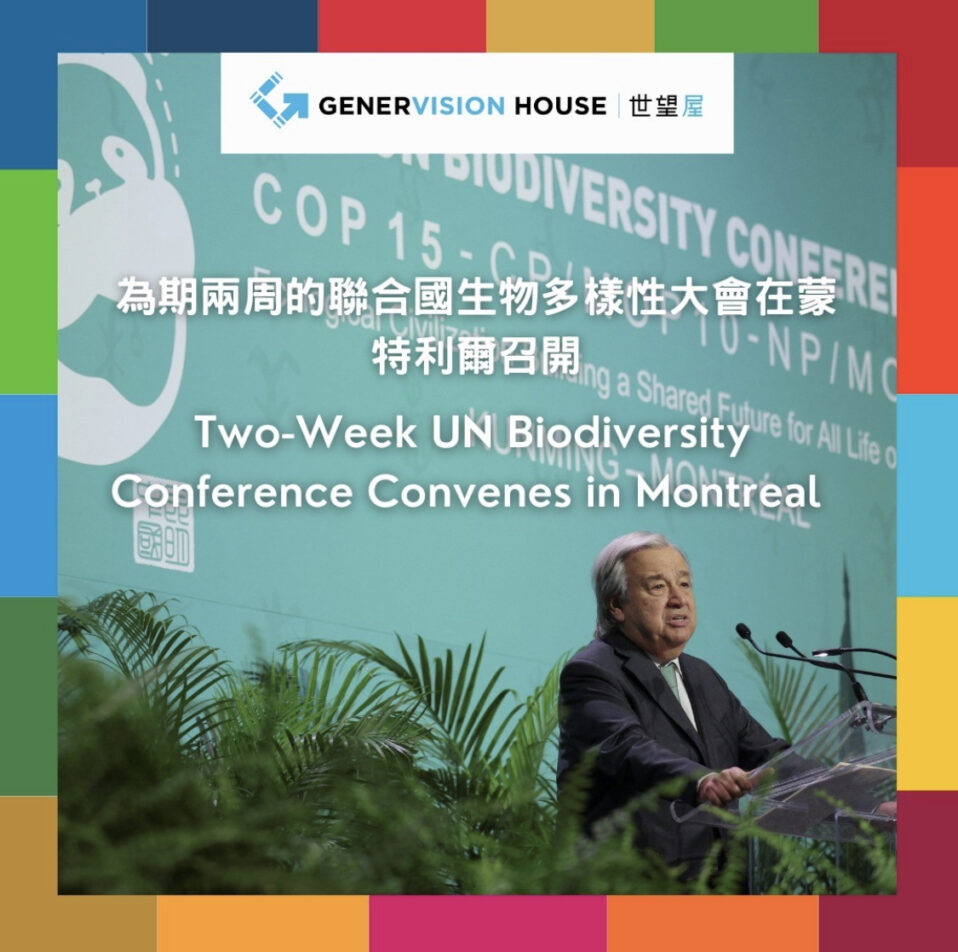
為期兩周的聯合國生物多樣性大會在蒙特利爾召開
【第15屆聯合國生物多樣性公約大會開幕🇺🇳】我們可以期待什麼?
在🇪🇬沙姆沙伊赫氣候變化大會(COP 27)落幕近3周後,另一個重要的締約方會議在🇨🇦加拿大蒙特利爾召開,討論「人類與自然無謂的自殺式戰爭」。聯合國生物多樣性公約第15次會議(COP 15)於12月6日星期二開幕,190多個國家聚集在一起,希望減緩生物多樣性的喪失🙅🏻♀️。
☝🏼今年非常特別,因為《2020年後全球生物多樣性框架》將提交到各個締約方代表,他們將進行討論並達成最終協議✍🏼。該框架為自然未來的十年設定了一系列新的目標,包括保護至少30%的世界海洋和陸地,消除塑膠垃圾,以及將生物多样性融資增加到每年至少2000億美元。
📖有報告顯示,世界上只有3%的生態系統仍然是生態完整的,代表著它們仍然支持當地物種的健康,沒有被人類行為破壞;至今人類已經改變了地球上75%的陸地和三分之二的海洋。因此,COP15的主要目標是阻止這種情況繼續下去。但是,不少人預計就擬議目標的文字和實質內容上將會進行艱難的談判,最緊張局勢可能主要圍繞著融資問題💰。
[The 15th Meeting for UN Biodiversity Convention Began🇺🇳] What to expect?
Almost 3 weeks after the 🇪🇬Sharm el-Sheikh Climate Change Conference (COP 27), another important conference of the parties convened in 🇨🇦Montreal, Canada to address “humanity’s senseless and suicidal war with nature.”. The 15th meeting of the UN Convention on Biological Diversity (COP 15) began on Tuesday, December 6th, where more than 190 countries gathered with hopes to slow the decline in biodiversity🙅🏻♀️.
☝🏼This year is particularly special because the Post-2020 Global Biodiversity Framework will be presented to the parties, which they will scrutinize and come to an agreement with✍🏼. The Framework sets a new set of goals for nature over the next decade, including protecting a minimum of 30% of the world’s oceans and land, eliminating plastic waste, and increasing financial resources dedicated to biodiversity to at least US$ 200 billion annually.
📖Reports show that only 3% of the world’s ecosystems are still ecologically intact — meaning they still support healthy populations of their native species and haven’t been ruined by human actions; humans have already altered 75% of the Earth’s land and two-thirds of its oceans. So the main goal of COP15 is to stop that from continuing. But difficult negotiations are expected over the wording and substance of the proposed goals, and the biggest tension is likely to revolve around the issue of financing💰.

來自澳門的聲音傳達到COP27:2022年澳門青年氣候峰會最終報告及澳門青年氣候立場書發佈
藉著 2022年聯合國氣候變化大會(COP7)完結之際,世望屋的團隊很高興發佈2022年澳門青年氣候峰會的最終報告及澳門青年氣候立場書,它們亦已經被纳入COP27和第17屆國際青年氣候峰會的氣候談判中。
在2022年澳門青年氣候峰會的最終報告裡,提供了峰會的精彩內容回顧,並列出了《澳門青年應對氣候變化立場書》。兩天的線上峰會一共吸引了近200人次參加,更迎來58位青年就以下五個主題共同撰寫了《澳門青年應對氣候變化立場書》: 氣候賦能行動、氣候適應、氣候變化、城市與健康、可再生能源以及綠色就業。
一起來看看澳門青年對澳門的可持續發展未來有甚麼看法吧!
_______________
Local Voices Delivered to COP27: The Release of LCOY Macau 2022 Final Report & Macau Youth Statement
As the UNFCCC COP27 climate conference concludes, our team at Genervision House is delighted to announce the release of our Local Conference of Youth (LCOY) Macau 2022 Final Report and Macau Youth Statement, which have been fed into the climate negotiations under COP27 and the 17th Global Conference of Youth.
In the LCOY Macau 2022 Final Report, we have provided a review of the conference and laid out the Macau Youth Statement Towards Addressing Climate Change. The two-day virtual conference received nearly 200 attendances, with 58 youths co-writing the Macau Youth Statement together on the following five topics: Action for Climate Empowerment; Climate Adaptation; Climate Change, Cities, and Health; Renewable Energy; and Green Jobs.
Let’s look at what Macau youths have to say about our sustainable future!
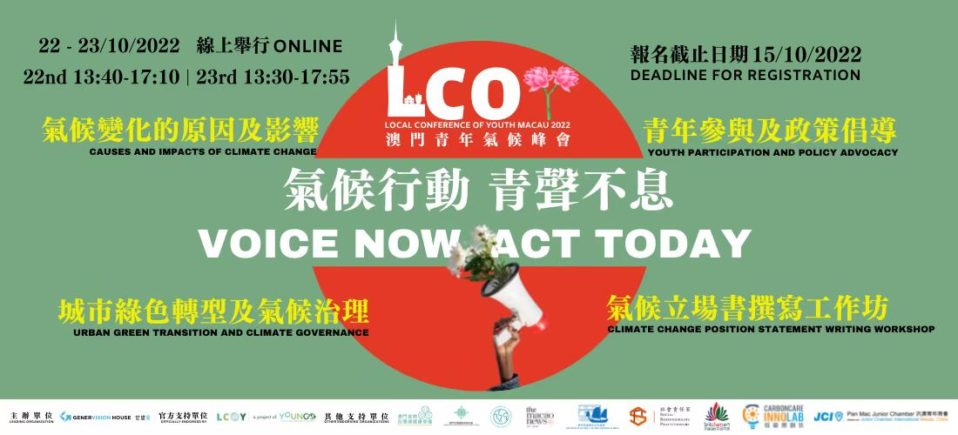
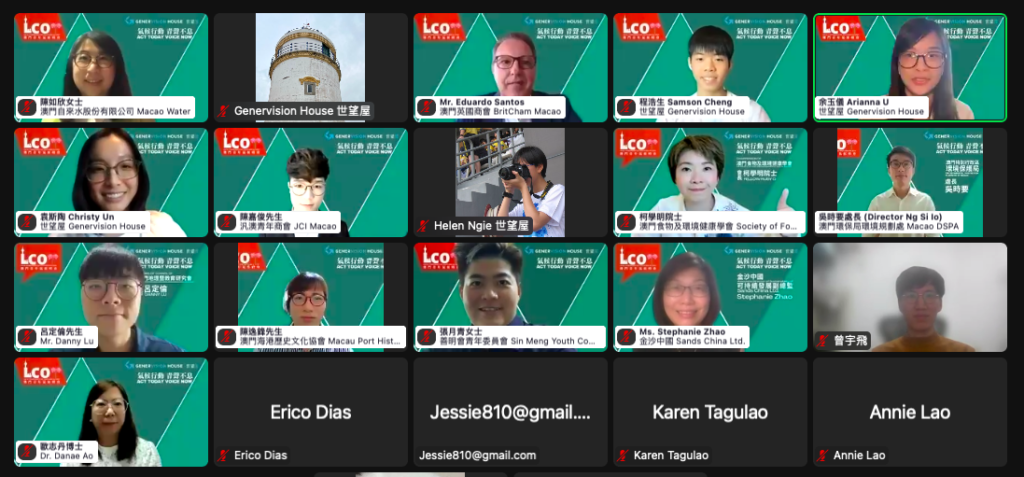
第一屆澳門青年氣候峰會2022(LCOY MACAU 2022)活動已完滿結束!
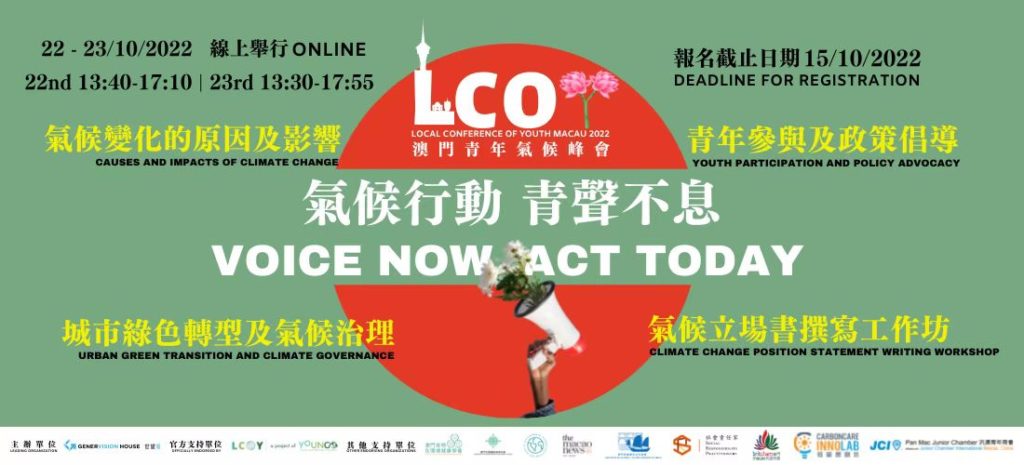
第一屆澳門青年氣候峰會2022(LCOY MACAU 2022)活動已完滿結束!
10月22日和23日一連兩日的活動已完滿結束,共吸引近200名參與者。
以下是這兩日的精彩時刻:
第一日
由世望屋首席氣候官–程浩生Samson Cheng主持的第一個主題(圓桌會議:氣候變化的原因及影響),我們很榮幸請來了四位嘉賓(呂定倫先生、柯學明院士、陳俊明博士、曾宇飛先生)進行討論,期間不但與參加者分享自己對澳門現時的氣候變遷迫切性看法,更深入探討了澳門在教育及政策上如何推行可持續發展的概念,從而望能有效地提升大眾及社區的意識及其重視性。
第二場有幸請來歐志丹博士作為「城市綠色轉型及氣候治理」的主持人,以及四位嘉賓(楊鎮宇先生、林宇滔議員、宋慶彬教授、Karen Araño Tagulao教授)為我們進行學術性的演講,向各位參加者介紹澳門能源轉型之路及紅樹林如何幫助應對氣候變化,令我們獲益良多!
第二日
由世望屋共同創辦人兼首席運營官袁斯陶(Christy Un)以及世望屋環境社會項目經理伍靖楓(Gladys Ng)主持第三場主題(圓桌會議:青年參與及政策倡導),我們很榮幸請來了三位嘉賓(劉嘉穎女士、柳濟琛先生以及梁志文博士)進行分享,三位分別從不同領域分享如何由個人以至成為影響大眾著手參與綠色行動。「以小建大」是個人參與行動的概念,個人行動和政府綠色政策需要互相配合才能夠為更好地減緩和適應氣候變化問題。
經過一場圓桌會議後,來到期待以久的氣候立場書撰寫工作坊。榮幸邀請了四位嘉賓導師(陳天藍女士、蔡伯賢先生、何紫晴女士和陳正朗先生)以協助參加者完成氣候立場書。所有參與者分別在不同組別進行頭腦風暴,共同討論出相對應的解決方案,以希望建立一個理想的可持續發展社區。深信參加者都能在討論中互相學習,共同為澳門現存在的問題探討一個解決方案,而聯合國和澳門特別行政區將會聽到你們的聲音! 改變由不可能變做可能!
改變由不可能變做可能!———
Successful Conclusion of The first Local Conference of Youth Macau 2022 (LCOY MACAU 2022)!
The two-day conference came to a close and attracted nearly 200 participants! It’s not an ending but the beginning of a sustainable movement.
Here are the highlights of these two days:
Day 1
The Round Table on the Causes and Impacts of Climate Change was moderated by Samson Cheng, Chief Climate Officer of Genervision House. We were honored to have four distinguished guests (Danny Lu, Ruby O, Joe Chan, YuFei Zeng) to have a fruitful discussion. Not only did they share with the participants their views on the urgency of climate change in Macau, but they also had an in-depth discussion on how Macau has implemented the concept of sustainable development in education and policy, so as to effectively raise the awareness of the community.
In the second session, we invited Dr. Danae Ao to host the Urban Green Transformation and Climate Governance keynote presentations, and we are honored to invite four guests (Ron Lam, Qingbin Song, Zhenyu Yang, Karen Araño Tagulao) to share on Macau’s energy transformation and how mangroves can help tackle climate change.
Day 2
The Roundtable Discussion on the Youth Participation and Policy Advocacy was moderated by Christy Un, Co-founder and Chief Operating Officer of Genervision House, and Gladys Ng, Environmental and Social Project Manager of Genervision House. We were honored to have 3 distinguished guests (Annie Lao, Jichen Liu, and Danny Leong) to have a fruitful discussion. Not only did they share with the participants their views on how their actions influence their communities, but they also had an in-depth discussion on what action can teenagers take to help bring about a sustainable city. Better coordination between individual action and the government’s green policies is needed to mitigate and adapt to climate change mitigation.
In the second session, we invited Hermia Chan, Edward Choi, Blaire Ho, and Ryan Chan as guest instructors at Climate Change Position Statement Writing Workshop to guide participants in drafting their statements. All the participants had a productive discussion on Macao’s issues. We believed that becoming a sustainable city is our vision of Macao. All of the statements will be integrated into a final output and your voice would be heard by the UN and Macao SAR! Change is not impossible!