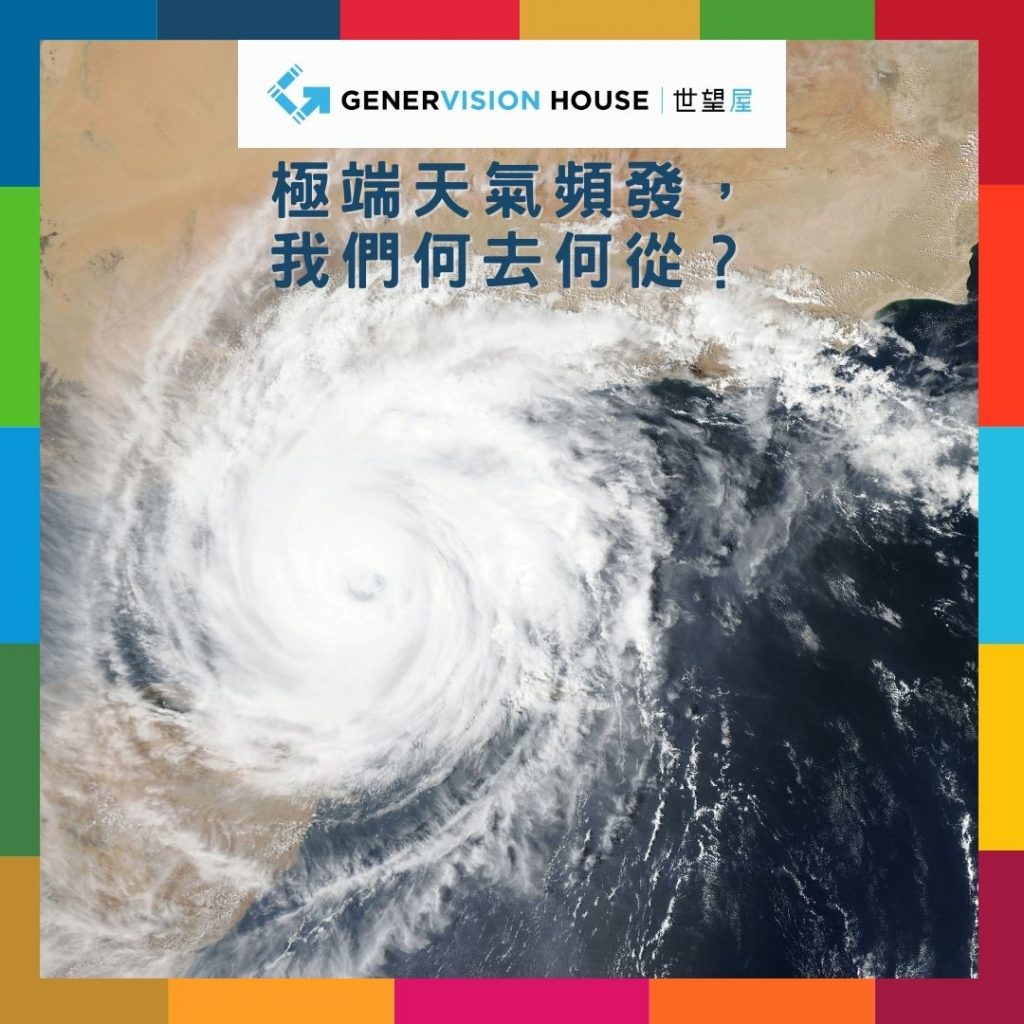
如澳門有意在2030年或更早碳達峰,必須盡快做好氣候政策,有效地結合各界的行動。筆者亦建議決策者可參考其他城市的環保政策藍圖,如《香港氣候行動藍圖2050》為香港落實2050年前碳中和的目標制訂了四大減碳策略和具體行動,和《1.5°C: 使紐約市與巴黎氣候協定保持一致》(1.5°C: Aligning New York City with the Paris Climate Agreement)訂立紐約市應對氣候變化的目標和行動,同時考慮對城市的經濟增長、公平發展、可持續性和韌性的影響。正如聯合國秘書長古特雷斯所言,地球的健康已經響起警號。為了現在和將來的世世代代,我們必須選擇的雄心的行動,選擇團結,選擇捍衛我們的未來和拯救人類。
From researching environmental systems at university to volunteering with the Global Alliance of Universities on Climate, Macao student Cheng Hao Sheng is working hard to build a more sustainable future.
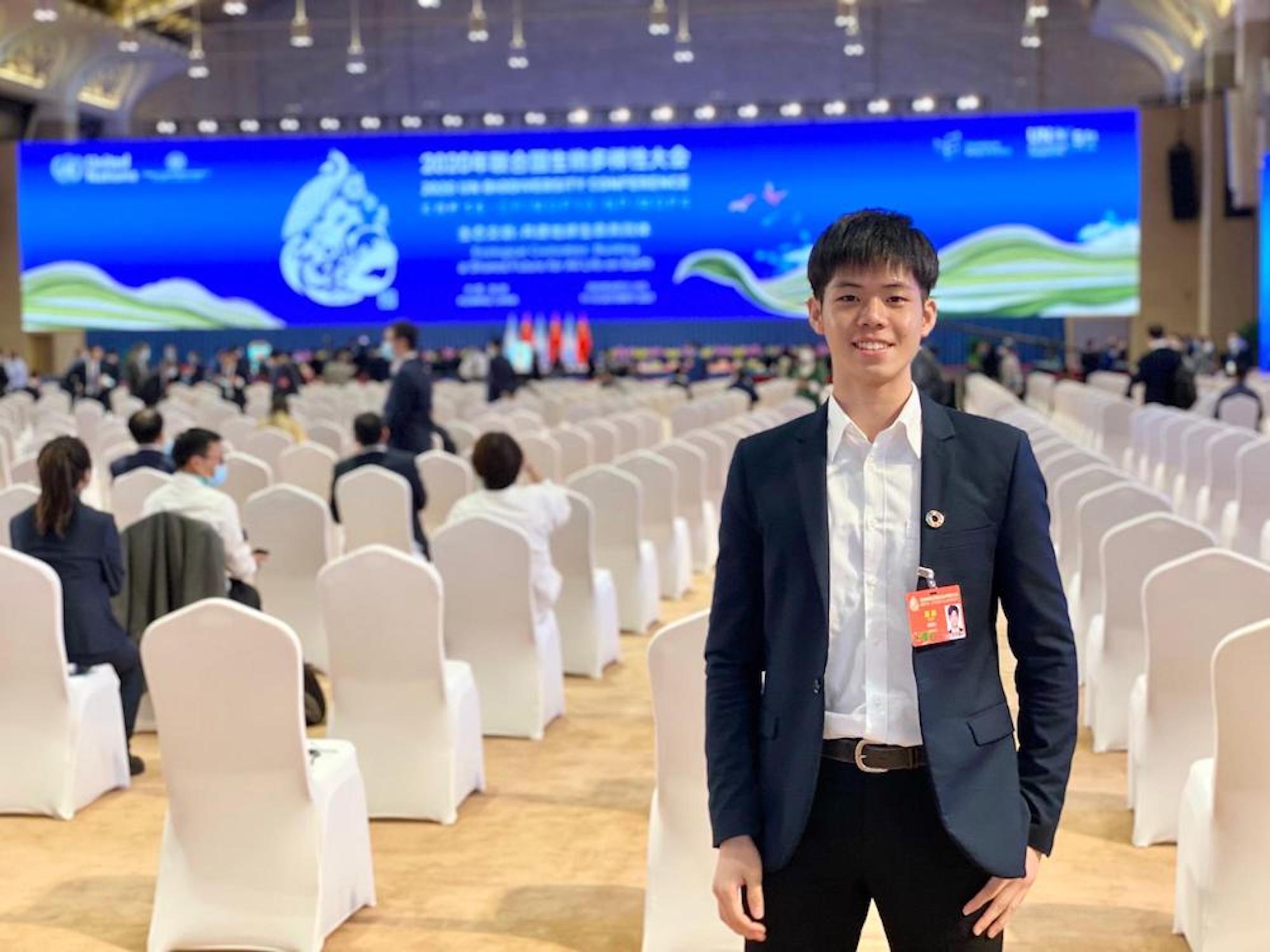
Macao student Cheng Hao Sheng (Samson) has dedicated his academic career, research and personal time to tackling climate change. Here, he appears at Octover’s UN Biodiversity Conference in Kunming, China – Photo courtesy of Cheng Hao Sheng
18 November 2021 by Cathy Lai
The impact of climate change has intensified in recent years, with extreme weather conditions devastating communities worldwide regularly. Many young people have realised that they may be left to face the worst of the climate crisis.
Instead of watching and waiting, young people are taking the future into their own hands by protesting, organising awareness campaigns and demanding urgent action to avert disaster.
Cheng Hao Sheng, 20, is among these young climate activists. The Macao-born engineering student is currently in his third year at Tsinghua University’s School of Environment in Beijing. He’s also a member of the Global Alliance of Universities on Climate (GAUC), an international initiative launched in 2019 by 15 universities from six continents, including Tsinghua University, University of Oxford and Federal University of Rio de Janeiro.
This October, Cheng started volunteering with GAUC’s Global Youth Summit on Net-Zero Future to communicate with regional leaders and influence climate policies. The five-day summit, which took place both offline and online from 25-29 October, aims to mobilise climate actions by youth and higher education in the areas of Nature & Biodiversity, Food & Health, Energy, and Transportation and more.
As a volunteer co-organiser, Cheng shared his first-hand experience with climate change via video, drafted the Climate X Global Youth Declaration and spread the word on social media. In November, the 2021 United Nations Climate Change Conference (also known as COP26) featured his video with its audience of global climate leaders.
We connect with Cheng to hear about his experience at the summit, academic and community projects, and vision for a more sustainable Macao.
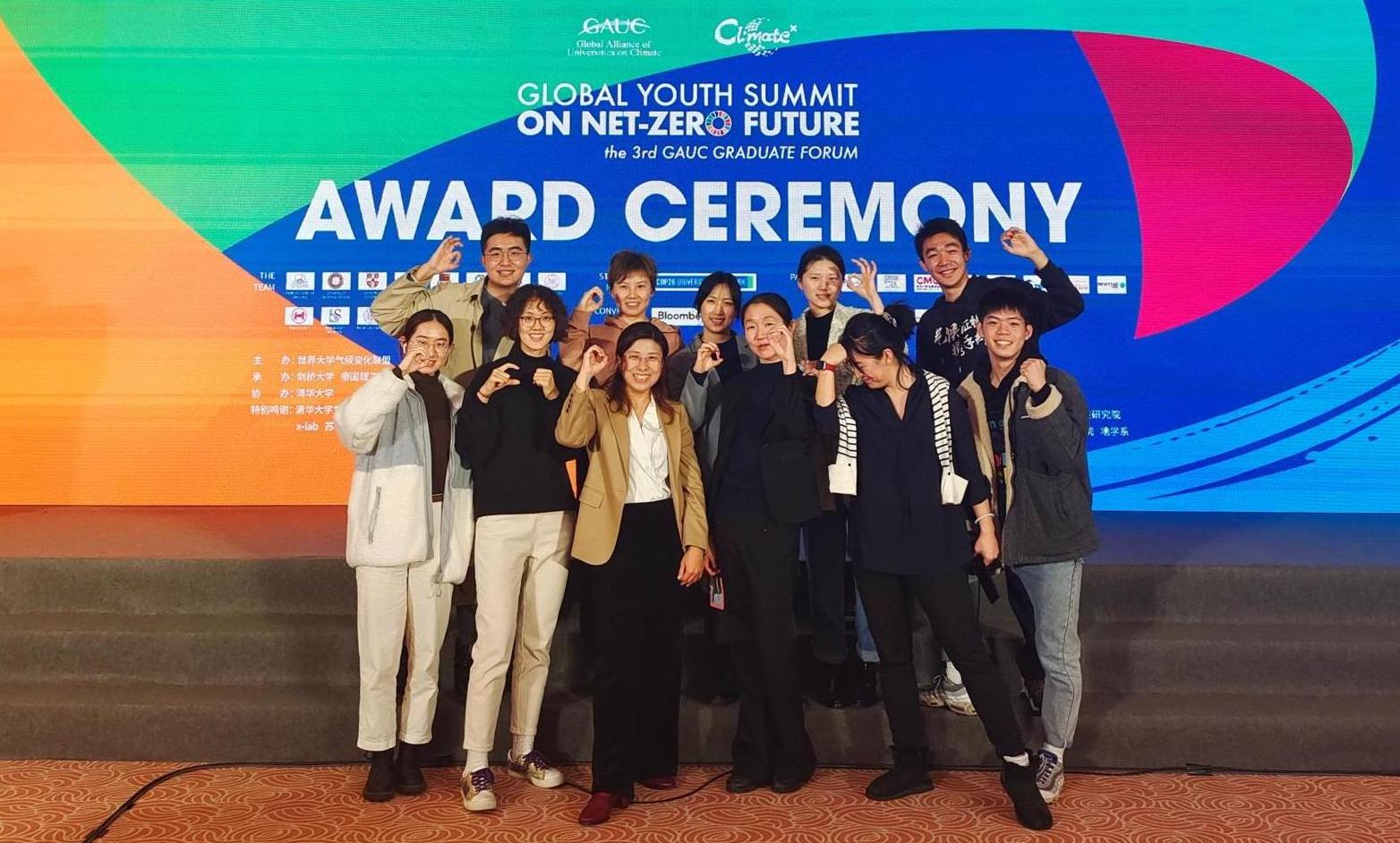
Cheng (front row on the right) helped organise the 2021 Global Youth Summit on Net-zero Future – Photo courtesy of Cheng Hao Sheng
Macao News: Why did you choose a career in environmental protection?
Cheng Hao Sheng (CHS): When I was a teenager, I learned at the Affiliated School of the University of Macau that we have been burning a lot of fossil fuels and that if we did not start conserving energy and water, we would face a resource-scarcity crisis. But what really struck me was Typhoon Hato, which hit Macao in 2017. It made me aware of the impact of climate change, which is affecting our lives right now.
In 2018, I learned about the Global Environment Programme offered by Tsinghua University during a summer camp. The class teaches technical skills in science and engineering, as well as environmental-related subjects such as diplomacy, management, economics and law.
Environmental protection is closely intertwined with our society and economy and, to tackle global environmental issues, we need people who specialise in technical skills, management and diplomatic law. I believed this programme could offer me the necessary skills to contribute to environmental protection, so I enrolled.
MN: Tell us about your experience with the Global Youth Summit on Net-Zero Future.
CHS: The Summit includes more than 30 student-led events, such as climate-research competitions, a “hackathon”, Voice Track [a collation of multimedia messages about climate change by students] and solutions-oriented meetings on how to energise youth across the world. I recorded a video for Voice Track sharing what I witnessed during Typhoon Hato, my thoughts on climate change, and the awareness campaigns and community work I do in Macao.
I also helped draft the Climate X Global Youth Declaration with students from around the globe. The declaration calls upon governments at all levels to enact legislation to combat the devastating effects of the climate crisis. Other responsibilities included writing press releases about each event and publishing them on social media.
MN: What did you learn by volunteering?
CHS: I realised once again the importance of regional and global cooperation for combating climate change. Many scholars, students, young people and citizens from around the globe are already working on the issue.
Facing large-scale crises like climate change and biodiversity loss can make us feel helpless and lonely. But GAUC has provided a dynamic platform to engage global citizens to tackle the problem together. We are not alone in this fight.
MN: What do you like to research in school?
CHS: I am particularly interested in the area of environmental economics and system analysis. [The former focuses on ecosystems’ monetary value and cost-benefit analysis; the latter researches the interaction between human activity, the environment and the economy]. When we try to formulate a solution to reduce carbon emission, it’s important to consider society, economy, environment and energy.
For instance, in 2020, China announced its goal to achieve carbon neutrality by 2060. But how do we accomplish this goal while taking care of society and providing a smooth transition for the coal workers to another industry? That’s where environmental economics and systems analysis can come to the rescue.
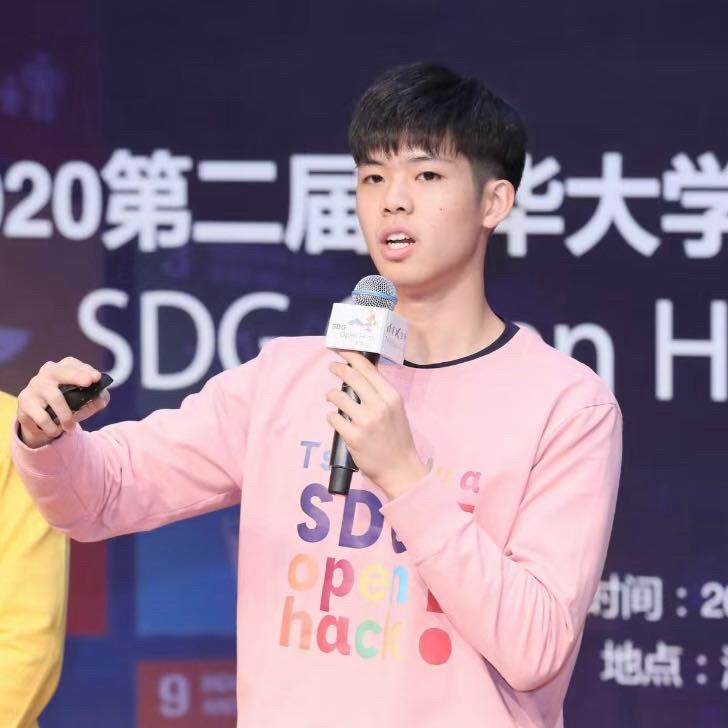
This May, Cheng joined The SDG Hackathon at Tsinghua University, where his team won first prize in the ‘Food Waste’ category by formulating a solutions-driven business model – Photo courtesy of Cheng Hao Sheng
MN: How else are you tackling the environmental issues in Macao and Beijing?
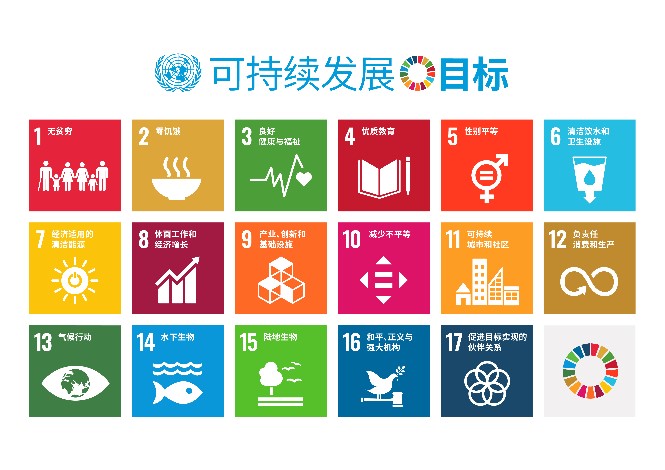
CHS: I am involved in community projects to spread awareness and knowledge about low-carbon and eco-friendly lifestyles. For instance, I am a core member of Genervision House, a Macao-based platform for knowledge sharing and advocacy that promotes the 17 United Nations Sustainable Development Goals.
Meanwhile, at Tsinghua University, I work with other students to organise environmental campaigns, such as recycling events and cleanup drives. Through these activities, we hope to inspire actions and behavioural changes.
MN: How does Macao compare to Beijing when it comes to environmental efforts?
CHS: People from Macao and Beijing may have a similar level of environmental awareness. But the implementation of environment-related policies differs. Beijing does better than Macao in promoting recycling because the city has stronger administrative means and executes more efficiently.
To help improve the environment, Macao could further promote electric cars and citywide recycling, and raise the plastic bag levy. But the government needs to be more courageous and innovative in adopting new and timely measures.
MN: What are your plans for the future?
CHS: The Global Environmental Programme at Tsinghua aims to cultivate two types of talents: environmental diplomats and specialists working at international organisations, such as the United Nations.
I am quite interested in working for these kinds of organisations, where I can help facilitate sustainable development negotiations and simultaneously balance the interests of each participating country. I may also want to become a scholar so that I can contribute to environmental protection from an academic perspective. I can’t say I have a concrete plan yet since there are a lot of possibilities.
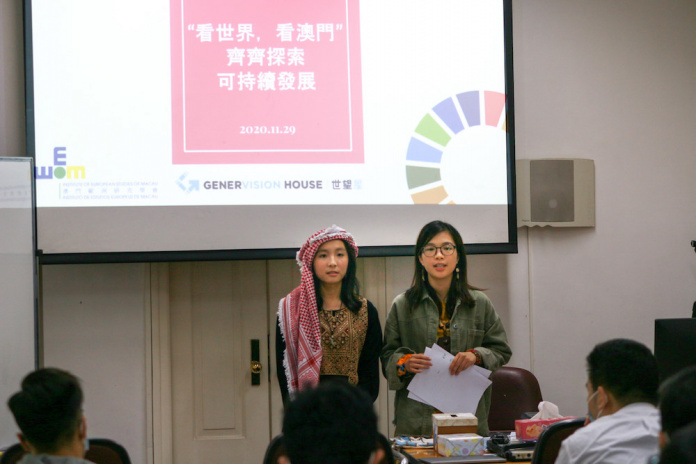
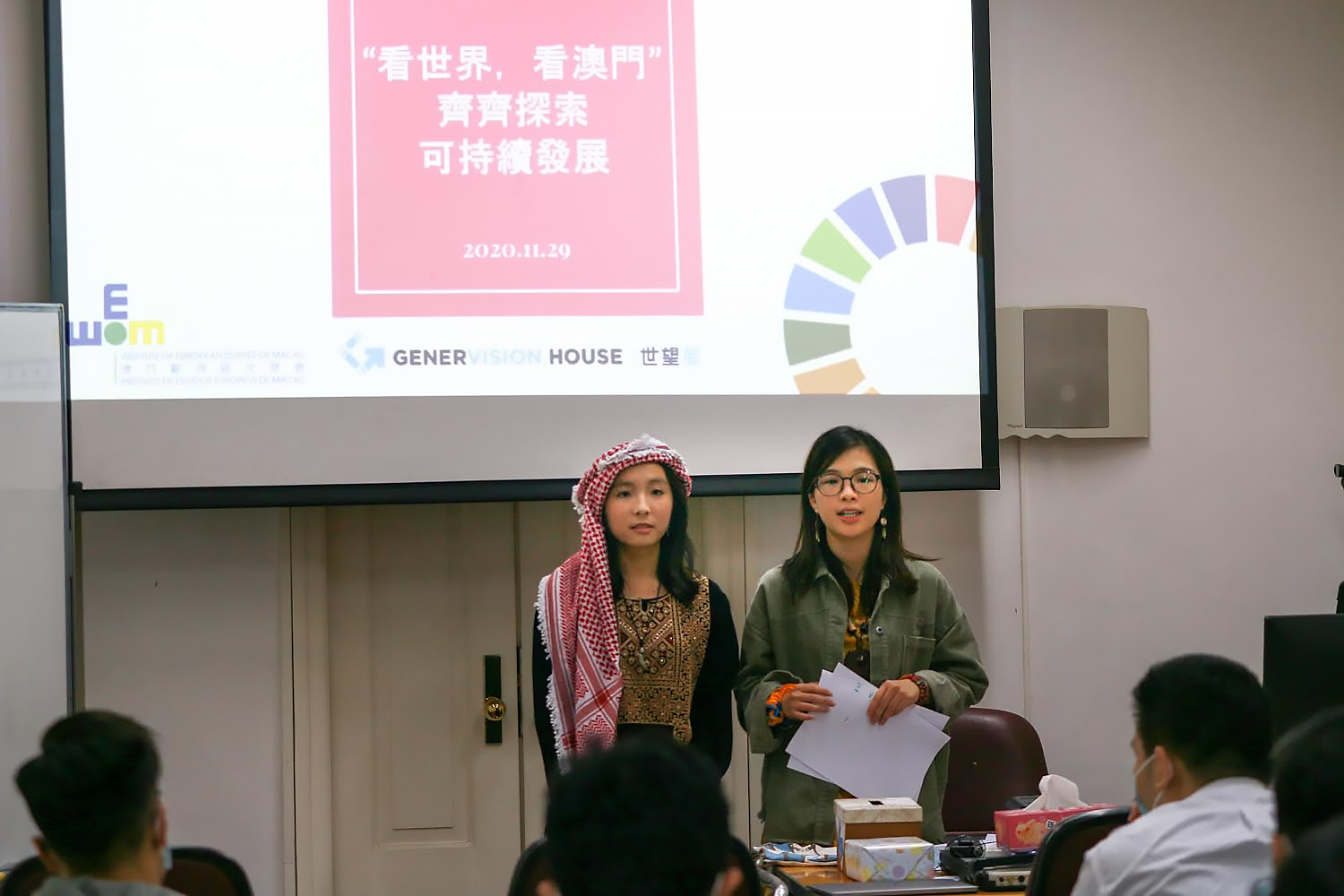
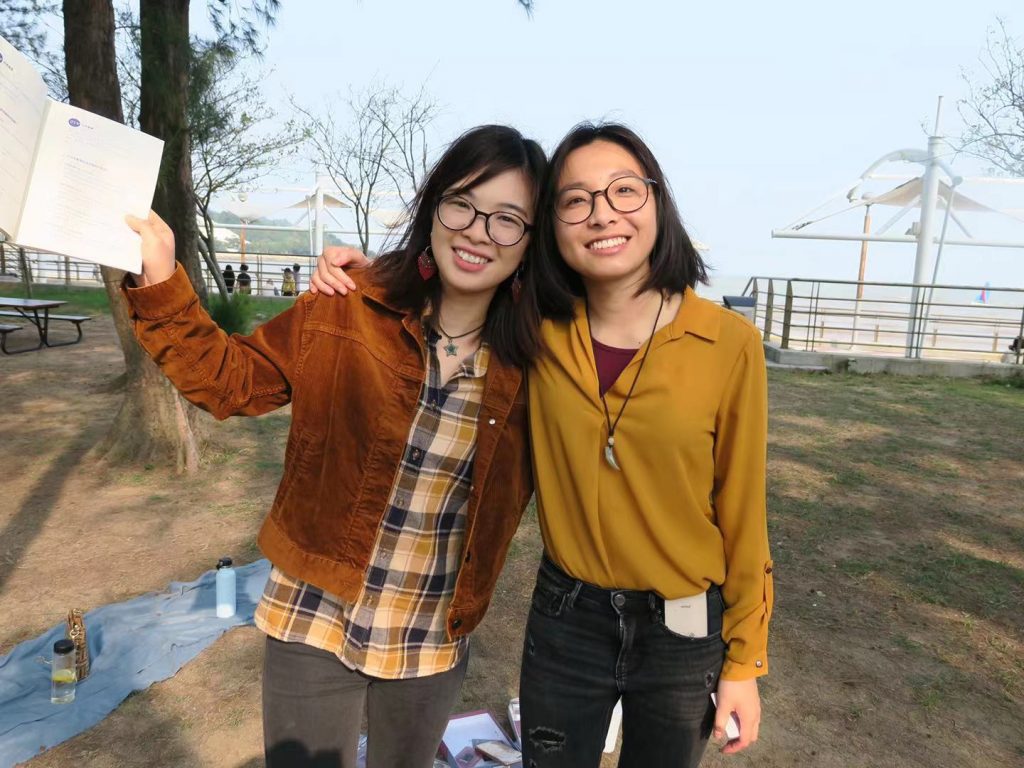
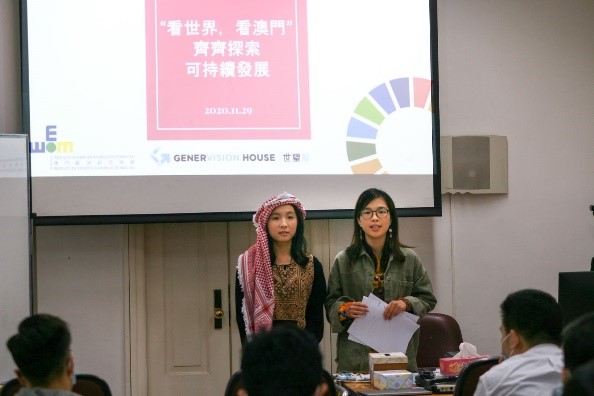
Christy Un, Co-founder and Chief Operating Officer of Genervision House (Left) and Arianna U, Co-founder and Chief Executive Officer (Right)
Non-profit organisation Genervision House has become the first official member organization from Macau to be admitted to the United Nations Sustainable Development Solutions Network Youth Initiative (SDSN Youth).
Genervision House is a knowledge exchange and advocacy platform established in Macau as well as an organization promoting the 17 UN Sustainable Development Goals (SDGs), providing the local community with sustainable development-related knowledge, videos, events and projects.
The SDGs, also known as the Global Goals, were adopted by the United Nations in 2015 as a universal call to action to end poverty, protect the planet, and ensure that by 2030 ‘all people enjoy peace and prosperity’ covering areas such as sustainable development, hunger, AIDS, and discrimination against women and girls.
Meanwhile, the SDSN Youth is a program under Sustainable Development Solutions Network (SDSN)established in 2012 by former United Nations Secretary-General Ban Ki Moon to mobilize global expertise around the SDGs through education, research, policy analysis and global cooperation.
Currently, this youth network is made up of over 750 Member Organizations, covering 127 countries, with Genevrision House becoming a full-fledged member on October 27.
“Genervision House is honoured to have become one of the members of this youth network. We will make good use of the resources and assistance provided by this network, cooperate with other youth organizations worldwide to conduct knowledge-sharing, and also hope to promote education and research concerning SDGs.” Arianna U, Co-founder and Chief Executive Officer of Genervision House said in an announcement sent to Macau News Agency.
“Becoming a member of SDSN Youth has been one of the main goals for Genervision House in 2021, and we are pleased to have achieved it before the end of the year. We look forward to engaging with this international network in the future to share more international perspectives on sustainable development with people in Macau.”
Genervision House currently engages in online content production as well as offline community events to advocate for the 17 UN SDGs but it plans to collaborate with policymakers to provide workshops and constructive solutions in order to improve the social, economic and environmental aspects of local development.
Macao-based advocacy group leads local drive for sustainable development goals with online content production and offline community events.
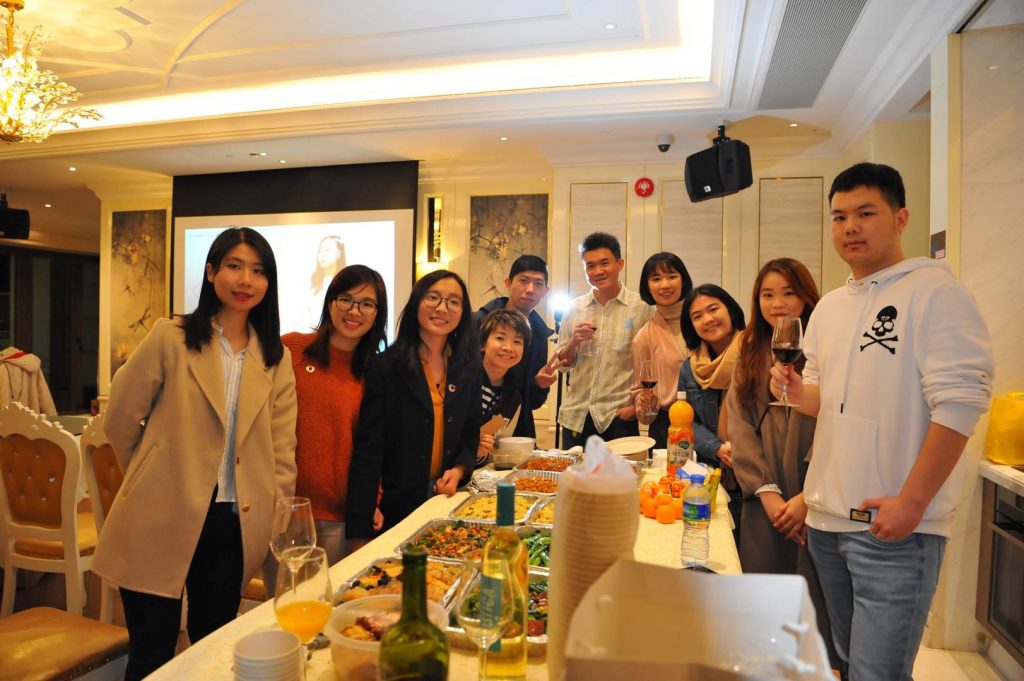
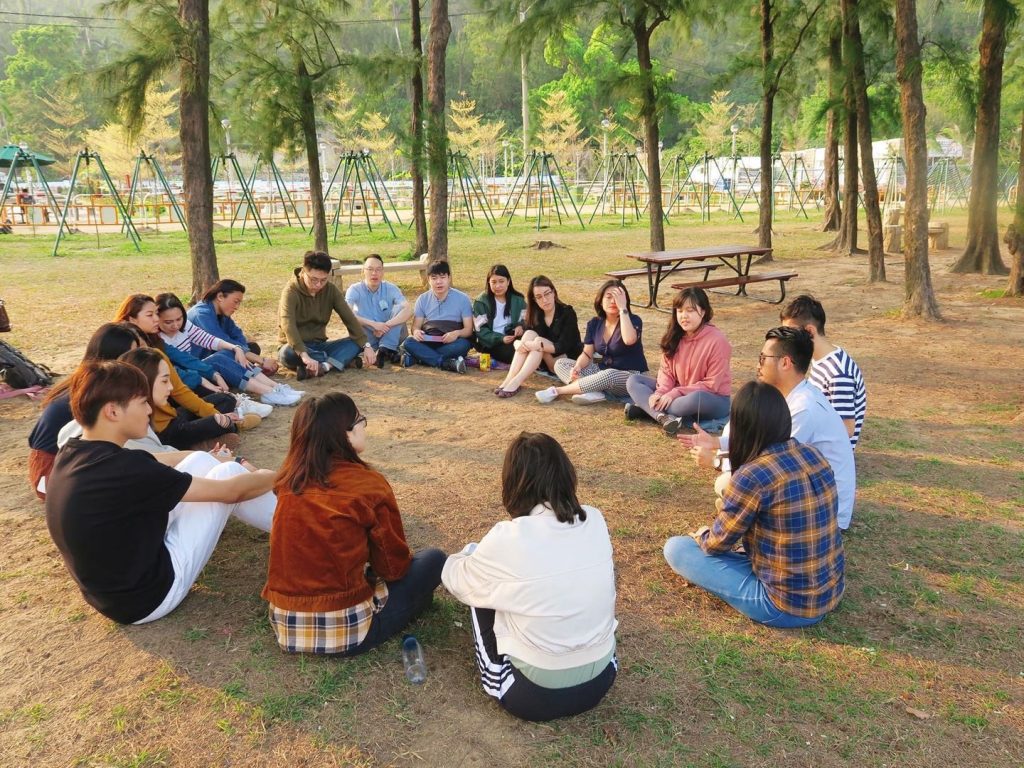
Genervision House founders Christy Un and Arianna U – All photos courtesy of Genervision House
STAFF REPORTER
Genervision House has been admitted to the United Nations Sustainable Development Solutions Network Youth Initiative (SDSN Youth), and plans to increase its advocacy for the organisation’s 17 Sustainable Development Goals (SDGs)
SDSN Youth is a programme under Sustainable Development Solutions Network. In 2012, former United Nations Secretary-General Ban Ki-moon established SDSN to mobilise global expertise around the SDGs through education, research, policy analysis and global cooperation. Currently, this youth network is made up of over 750 Member Organisations, covering 127 countries.
Christy Un, Co-founder and Chief Operation Officer of Macao-based Genervision House, said: “Genervision House is honoured to have become one of the members under this youth network. We will make good use of its resources, cooperate with other youth organisations worldwide to conduct knowledge-sharing, and also hope to promote education and research concerning SDGs.”
Arianna U, Co-founder and Chief Executive Officer of Genervision House, added: “Becoming a member of SDSN Youth has been one of the main goals for Genervision House in 2021, and we are pleased to have achieved it before the end of the year. We look forward to engaging with this international network in the future to share more international perspectives on sustainable development with people in Macao.”
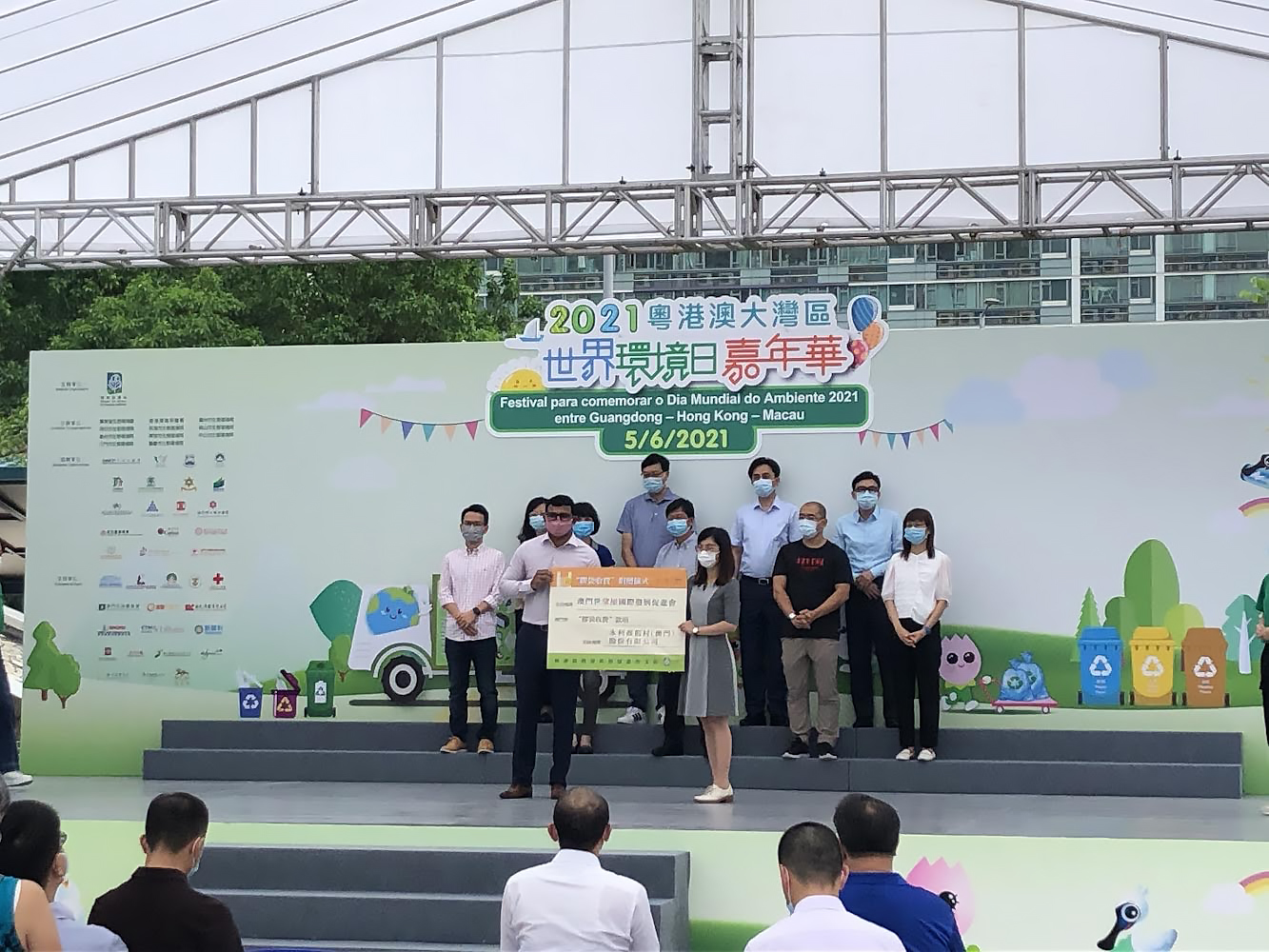
Genervision House’s Arianna U at the World Environment Day 2021 between Guangdong-Hong Kong-Macao commemoration festival in June
Genervision House is a Macao-based knowledge exchange and advocacy platform which promotes the 17 UN SDGs, providing the local community with sustainable development-related knowledge, videos, events and projects.
Currently, Genervision House engages in online content production as well as offline community events to advocate for the 17 UN SDGs. In future, Genervision House hopes to collaborate with policy implementers and provide workshops and constructive solutions in order to improve the social, economic and environmental aspects of local development.
距離2030年還有九年的時間,要在限期內逐一實現17個可持續發展目標,兩位女生坦言“世望屋”的未來挑戰與機遇並在。二人表示,“世望屋”正與不同社團、高等院校和大型企業合作,透過創新形式,持續向大眾普及可持續發展目標的知識,亦會充當橋樑角色,努力匯聚各方意見,促進資訊交流。未來,世望屋期望能繼續為社會不同行業、界別提供可持續發展方面的關鍵資訊。“世望屋 ”亦計劃加入在聯合國主持下運作的‘可持續發展解決方案網絡’(Sustainable Development Solutions Network,簡稱“SDSN”),從而深化與國際間的交流和合作,協助澳門整體社會掌握最新國際社會在推動可持續發展方面的趨勢。要實現目標還有不少距離,但正如二人堅持的理念所言:“對世界總懷抱一個希望,只要團結努力,我們能令它變得更好。”